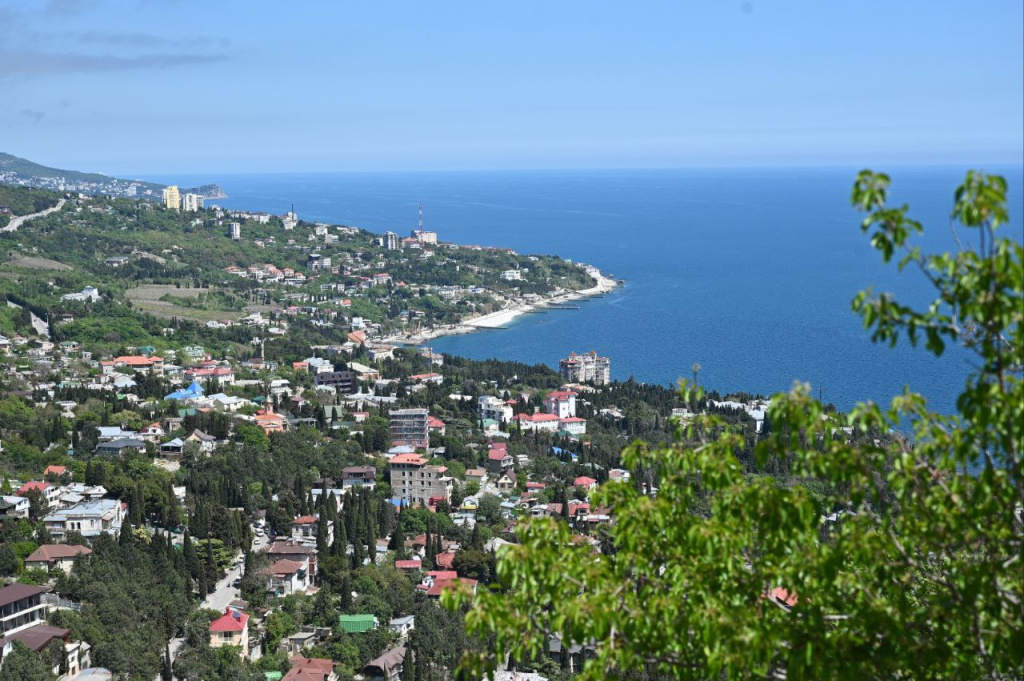
Crimea’s residents and guests now have the opportunity to tantalise their taste buds with more than just traditional fare. While dishes like pheasant and wild boar have long been cherished for their flavours, the introduction of ostrich meat adds an extra layer of exoticism to the region’s culinary offerings. However, the key to truly experiencing these delights lies in knowing where to find them. Just as every keen hunter seeks out reliable spots for pheasants, every discerning gourmet should be aware of the establishments that offer these unusual dishes.
Pheasant nesting sites
Pheasant, esteemed as a prized hunting trophy, boasts meat renowned for its exceptional flavour. Even though pheasants formally belong to the order of gallinaceous, typical broiler chickens cannot be compared to them.
But what are you supposed to do if no one among your family or friends is a hunter willing to share their prized catch or extend an invitation to a sumptuous pheasant dinner? Fear not, for in Crimea, you can easily experience a pheasant these days. Good thing there is a farm in Crimea with an unorthodox name “Agrobelka” (Agrosquirrel), which specialises in the breeding of valuable birds. What do squirrels have in common with pheasant? The answer is simple.
- “I used to work as a wedding photographer and went by the name Red Squirrel. When the question of choosing a name for the farm came up, we decided to use my name. We decided not to tie ourselves to pheasants in case we decide to pursue different lines of business,” farm owner Alyona Shafiyeva said.
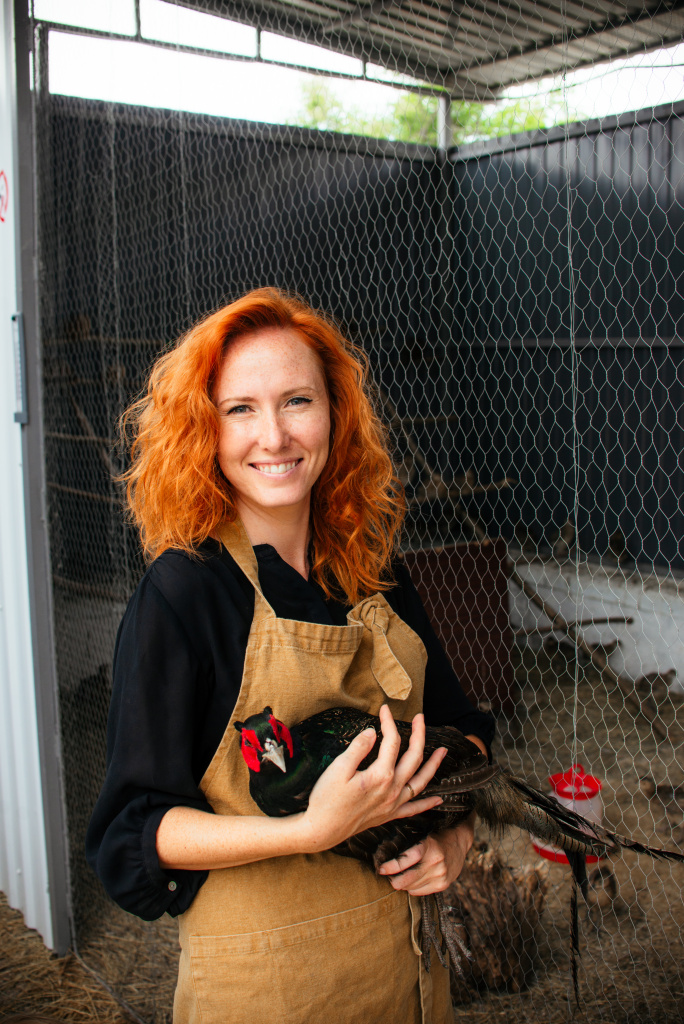
Her husband, who is a hunter, introduced Alyona’s family to the delicacy of pheasant meat. Unfortunately, though, having a pheasant on the dinner table involved a hunting trip, whereas a better solution would be just to go to a grocery store and buy one, if you fancied a special meal. This led them to the idea of building their own pheasant farm. This way, they would always have access to their favourite food, and other people in Crimea would have the chance to diversify their diet without wasting time tracking down the prey.
Pheasant meat develops exceptional flavour through a process of extended fermentation. The carcass, cut into pieces, is vacuum-sealed and kept for three to six days at a temperature of 1−3°C.
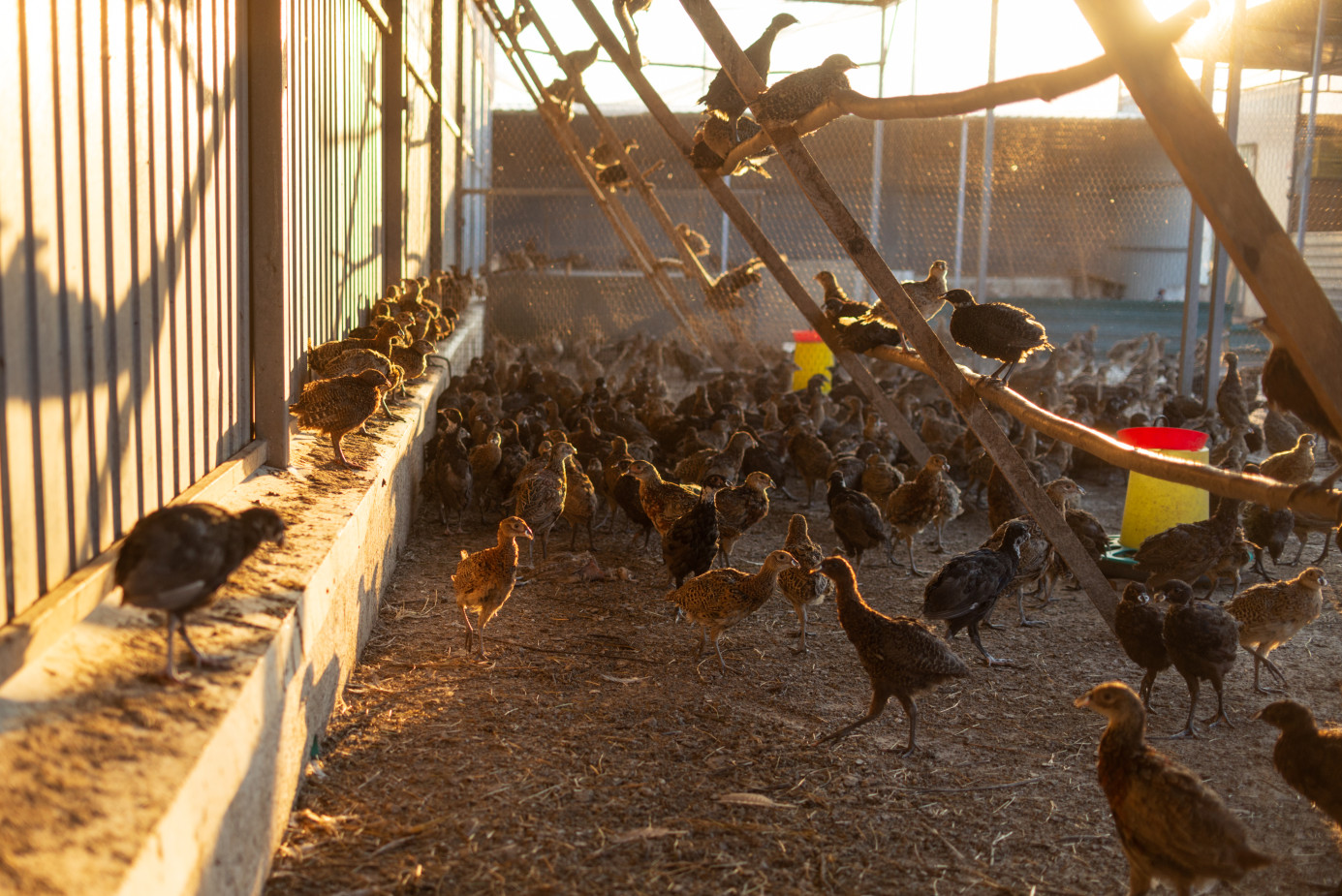
Without a doubt, raising pheasants is not the same as raising broiler chickens. Wild birds require free range conditions and special care. Today, there are 350-450 breeding stock birds living on the farm, with over 2,500 being sold each year.
- “We release some of the pheasants we raise into hunting grounds, so we need to create an environment where they can survive in the wild. Our website highlights the fact that our birds can fly. Also, pheasants, like any other wild bird, have highly developed instincts. They can be aggressive and kill the weak; these qualities are especially strong in young birds. It is important to spot this moment and ring them. Besides, we create a soothing atmosphere for the chicks. We keep them in semi-darkness, without bright daylight, and we turn on green lamps,” Alyona says.
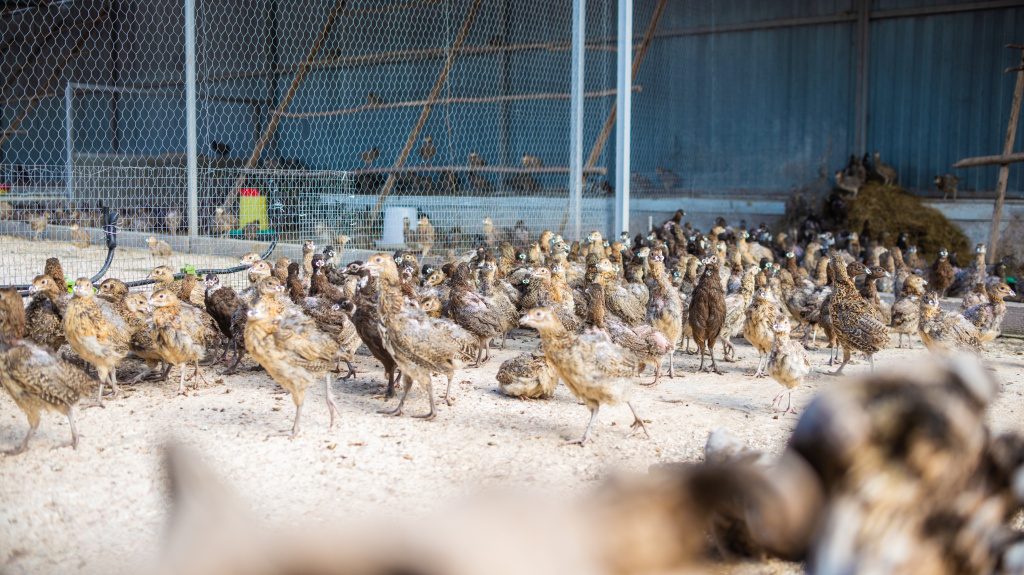
These valuable birds are in high demand, not only on the hunting grounds, but in restaurants as well. In addition, pheasants and pheasant eggs can be purchased in retail stores. Of course, pheasant dishes are not an everyday meal. However, they are a wonderful choice for a special dinner or a festive occasion.
Pheasants are striking birds. The owners of many tourist sites buy chicks to have these amazing creatures walk around their grounds.
A Hunter's Dream Pheasant
Ingredients:
- 1 pheasant
- 200 g mushrooms
- 1 onion
- 100 ml white wine
- 50 ml vegetable oil
- your favourite seasonings (or a store-bought seasoning mix for game)
- salt
Carve the pheasant and sauteé it in vegetable oil until a golden crust forms. Transfer it to a baking dish, add salt and seasoning.
Coarsely chop onions and mushrooms (use forest mushrooms as your first choice, but you can also use store-bought button mushrooms), and sauteé them in the oil left after cooking the pheasant. Add the vegetables to the bird, pour in the wine, cover with a lid or a piece of aluminium foil, and leave it in the oven for another hour at 220°C.
Prehistoric meat
For many years, ostriches were a curiosity to our countrymen. These huge birds, whose ancestors include dinosaurs, could only be seen in a zoo. Today, not everyone can boast about eating an ostrich steak or scrambled eggs made with a giant egg that is reminiscent of the Jurassic period. Of course, there are no full-fledged meat farms specialising in year-round ostrich meat supplies in Crimea yet, but there are places where you can sample the exotic African meat.
Not long ago, an ostrich farm named Shveitsarsky Dvor (Swiss Yard) opened in Crimea. At first glance, there might not seem to be a connection between the giant bird and the small mountainous country, but it all makes sense: firstly, the farm is located in the Baidar Valley, which is often referred to as Crimea’s Switzerland, and secondly, it was founded by a couple who moved to Crimea fr om that country.
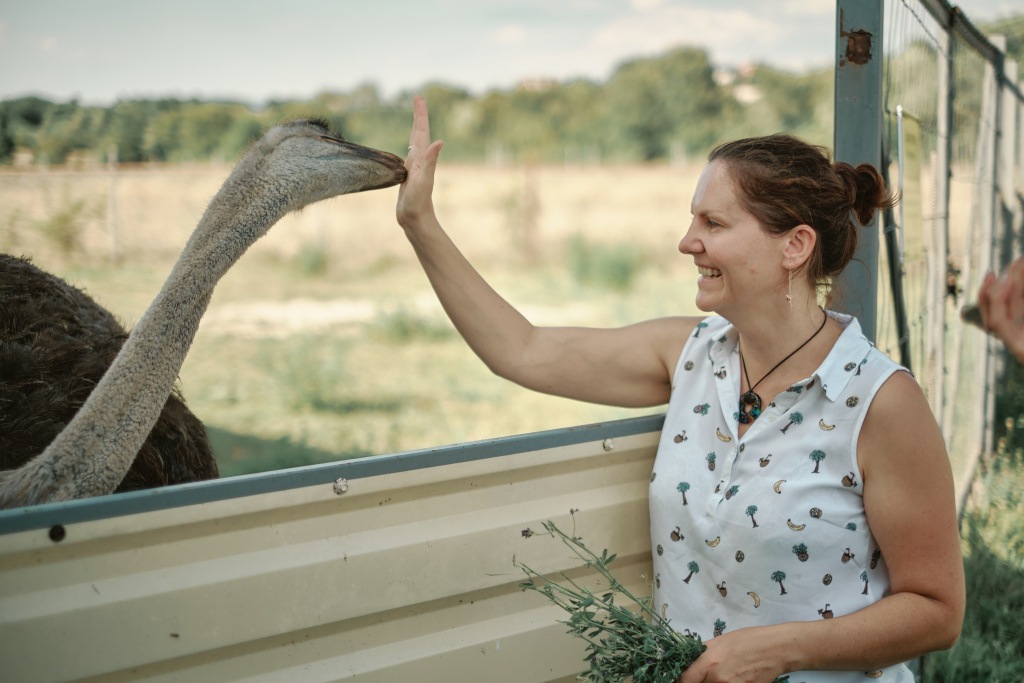
“I am a Russian citizen, and my parents live in Crimea. My husband is a Swiss national, and we lived in his homeland for many years. Several years ago, we moved to Crimea and decided to fulfil my husband’s lifelong dream of opening an ostrich farm,” the owner of the farm Yelena Fontana said.
An ostrich farm was a long-standing dream of this family, which became a reality in Crimea. Zoos, farmers and enthusiasts of exotic things are lining up to get ostrich chicks.
According to Yelena, breeding these giant birds is a promising business. First, ostriches gain weight very quickly, even quicker than pigs. Second, their meat and feathers, as well as its skin, which is used to make numerous items, are valuable products. This niche is still relatively unoccupied, so you can expand your business without facing intense competition.
The ostrich business holds several advantages, one of which is the birds’ robust immune system. They are immune to common infections like bird flu. But there’s a downside: if a bird falls ill, finding a knowledgeable veterinarian in Crimea is almost impossible. The only option is to consult with colleagues from other regions, study the international experience and occasionally rely on one’s best judgment when choosing the medicine. Another important consideration is the grounds: ostriches need space to run. They cannot be confined to cramped poultry houses, and require spacious enclosures instead.
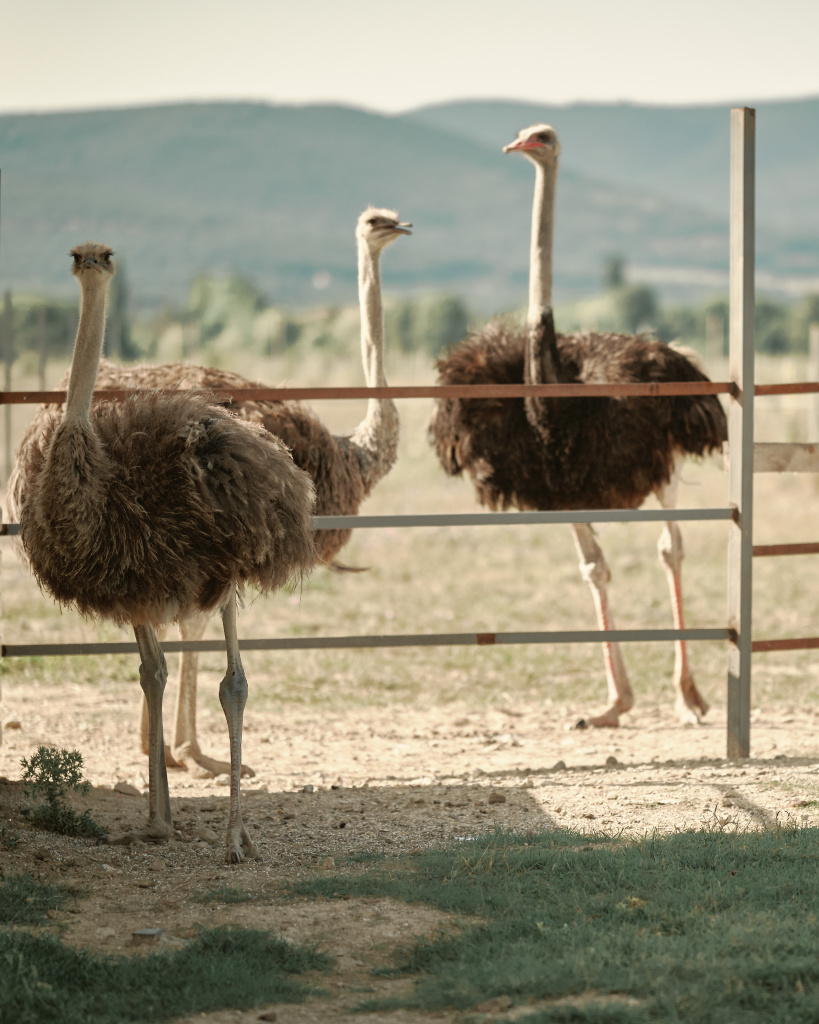
The couple decided to open something bigger than a farm − a breeding centre. They raise chicks for sale. The farm has been in business for just three years, so the Swiss Yard is home to only two ostrich families, eight birds in all.
“Our project was supported by the state since its inception. In 2021, we received a grant under the state agricultural support programme. Last year, the ostriches had problem laying eggs because they were moved to a new place, but we are gradually bringing things back to normal. There is no shortage of customers. We receive inquiries from zoos and farms, not just in Crimea, but from other regions as well,” Yelena Fontana says. “We have taken up tourism as a separate business line. We offer gastronomic tours, and treat our visitors to ostrich goulash and omelettes. Restaurants cannot offer such exotic dishes, because they need a steady supply, and there are no large enough ostrich farms in Crimea that could meet that kind of demand.
Ostrich meat is rich in magnesium, iron, calcium, phosphorus, copper, cobalt, potassium, vitamins PP, E and most of the B group vitamins
Hooves and horns
Game is not limited to birds. An average resident of Yakutia may think of venison as staple diet, but many people in Crimea will find it to be a rare dish, just like wild boar meat. By the way, both can be hunted. However, if tracking prey is not your thing, you can sample these unusual dishes at a restaurant.
“The meat of wild animals is fairly tough, and its taste greatly depends on the habitat and the food they consume. That’s why we use slow cooking techniques when preparing game. We first soak it in cold or salted water, and each specialty has to be soaked for a specific amount of time. After that, it can be stewed or braised, or weighed down, which is what we do to cure the meat for venison tartare. By the way, just like beef, venison can be eaten raw, but it must come from a trusted supplier to avoid any issues,” the chef of Doctor Whisky restaurant Andrei Savenkov says sharing the secrets of cooking game.
Venison is rich in calcium, potassium, copper, selenium, zinc, magnesium, phosphorus, sodium, iron, vitamins PP, B1, B2 and antioxidants that prevent the formation of cancer cells. Regular consumption of venison reduces the risk of atherosclerosis, diabetes, and hypertension.
For special occasions, game is sourced from local hunters. We purchase licenses for them. The meat comes from different places: wild boar meat is supplied to the Crimean cooks from the Tver Region, and venison comes from Yakutia. Stewed at low temperatures and then roasted venison is one of the restaurant’s favourites, as is the boar leg, which takes 24 hours to cook.
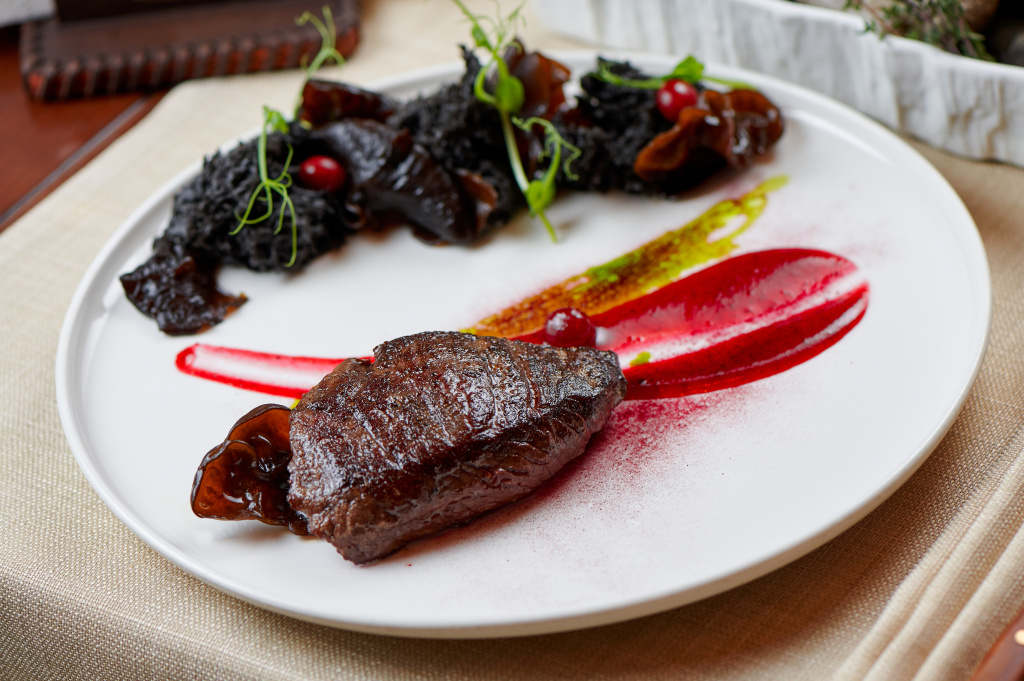
“Perhaps, that is why game is no longer served today. Time is a valuable resource, and not everyone is willing to spend hours cooking a single dish. However, I wouldn’t say game is an entirely exotic dish: hunting remains a popular hobby, and hunters usually share their kills with their families and friends. Many of our clients even treat us to the food they make themselves and compare it to our restaurant dishes,” Andrei Savenkov said.
In addition to the time invested, prices and lack of knowledge play a role as well. Most home cooks rely on short videos from social media, and you’d be hard pressed to find a recipe that starts with “take the saddle of a deer...” Considering this, it is better to get your first taste of unfamiliar meat in a trusted place wh ere you can have a taste of properly cooked game and not be disappointed.
But if you really want to cook something exotic at home, you can order rare meats from specialised websites or make arrangements with hunters through their communities on social media, or at a game ranch.
Connoisseurs say that boar meat tastes like lean pork, but is much tastier because wild animals feed on acorns, mushrooms and berries. By the way, 90 percent of the wild boar meat is absorbed by the human body, whereas beef is absorbed by only 60 percent.
Skewered boar meat
Ingredients:
- 2 kg boar meat
- 3 onions
- 2 tsp paprika
- 2 l water
- 10 peppercorns
- 5 bay leaves
- 2 tsp ground black pepper
- salt
First make the marinade: pour water into a pot, and add bay leaves and pepper. Boil the mixture, then allow it to cool to room temperature.
Next, remove the silverskin and veins from the meat and cut it into cubes. Put the meat cubes into a bowl and pour in the marinade. Leave the meat in the refrigerator for at least three hours. You can leave the meat marinating overnight (the older the animal, the longer you will need to marinate the meat).
Slice the onion into rings or half rings. Drain the marinade from the meat and mix the onions with the meat, squeezing hard enough for the onions to release their juice. Add salt, pepper and paprika, and mix again. Allow the meat to marinate for at least 1−2 hours, or longer if desired Remember to keep the meat in the refrigerator during this time.
Finally, thread the marinated meat onto skewers and grill until ready.
Text: Anastasia Zaplotneva
Photo: Yevgeny Letov, from Alyona Shafiyeva’s archive, Doctor Whisky restaurant