The Belarusian city of Grodno once again turned into the capital of friendship among peoples for a few days. Fr om 4 to 6 June, the 15th Republican Festival of National Cultures took place there.
This year, among the 42 delegations, special attention was drawn to the representatives of Crimea. For the first time, the peninsula took part in the festival with its creative ensembles, traditional craftspeople, official delegations, a rich business programme and concrete initiatives.
Coming to Friends
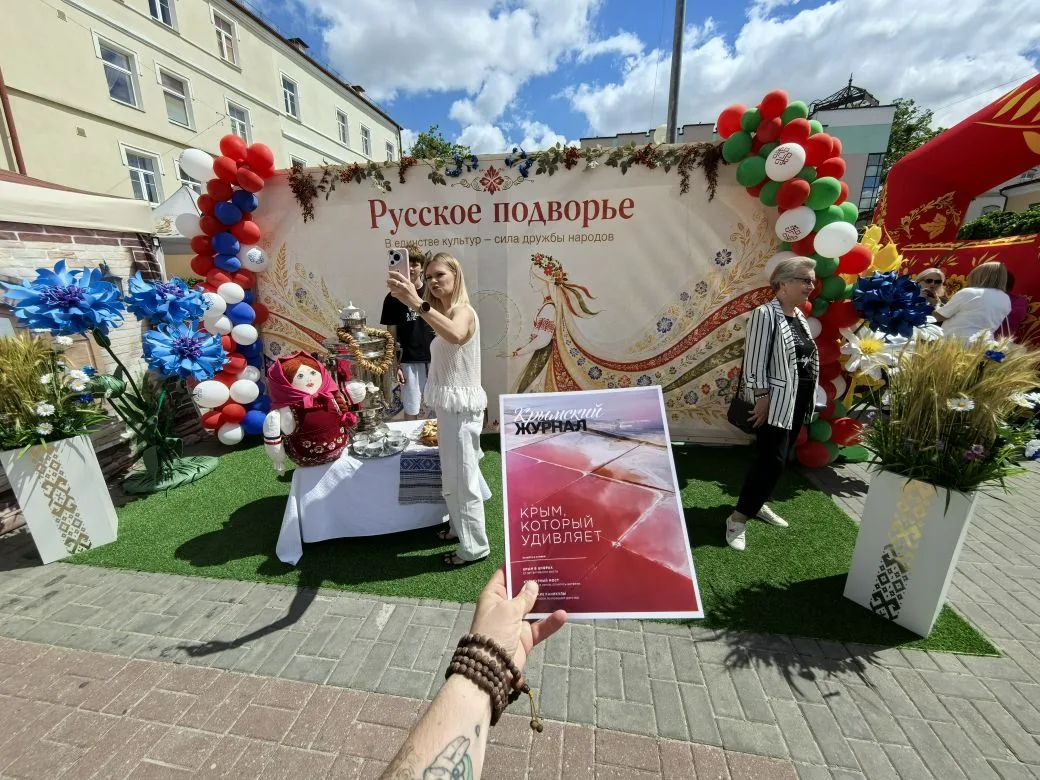
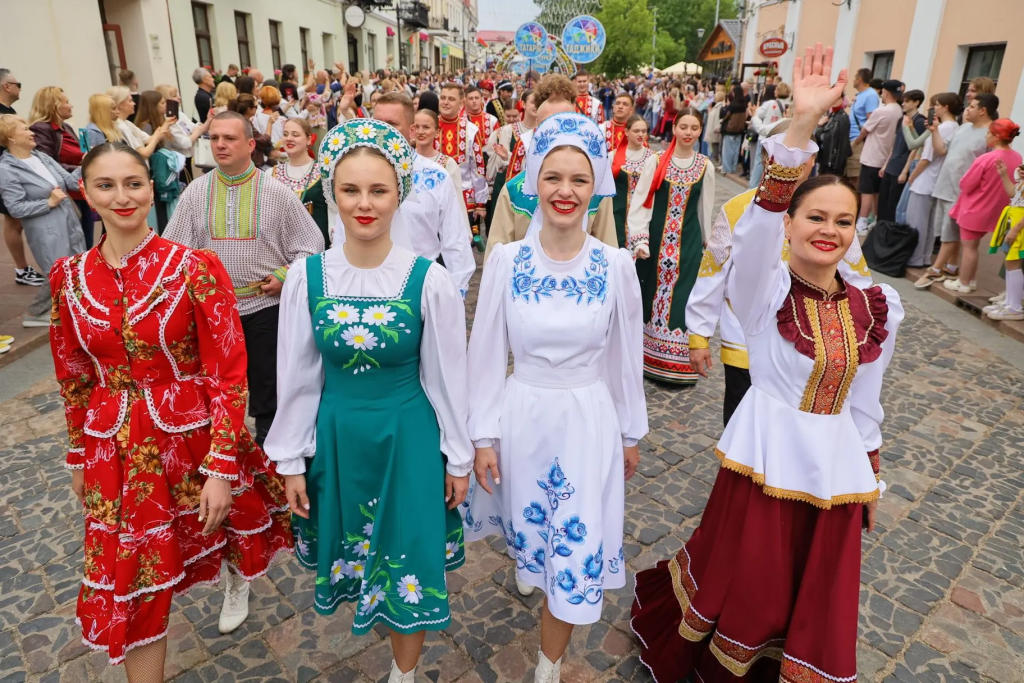
National farmsteads were set up in the historic centre of this ancient city, turning it into a living encyclopaedia of the world’s peoples. You could hear traditional songs, taste national dishes, see ancient crafts and learn about the cultures of peoples who have lived side by side for centuries.
Opening the forum, Belarusian President Alexander Lukashenko stressed the special role of the Grodno region as a territory wh ere trade routes, civilisations and religions have crossed for centuries.
«When people are connected by cultural, popular and family diplomacy, we politicians are powerless to break that», the President of Belarus emphasised.
The Crimean delegation was headed by Mikhail Solomentsev, First Deputy Permanent Representative of the Republic of Crimea to the President of the Russian Federation. He was accompanied by representatives of the republic’s Ministry of Culture, public organisations, museum professionals, national associations and creative ensembles.
For the Crimeans, this trip was a continuation of the large‑scale work begun last year during the «Days of Crimea» in the Grodno region. Mikhail Solomentsev spoke about this during a meeting at the Russian Consulate General in Grodno.
«We agreed that next year we would come to the festival of national cultures. We said it – and we did it, as Crimeans usually do», he noted.
The head of the delegation recalled that Crimea has always been a land of cultural diversity.
«Officially, 160 nationalities live on the peninsula. That is a unification of peoples who live in peace, friendship, harmony and accord», Mikhail Solomentsev emphasised.
Shared Memory, Shared History
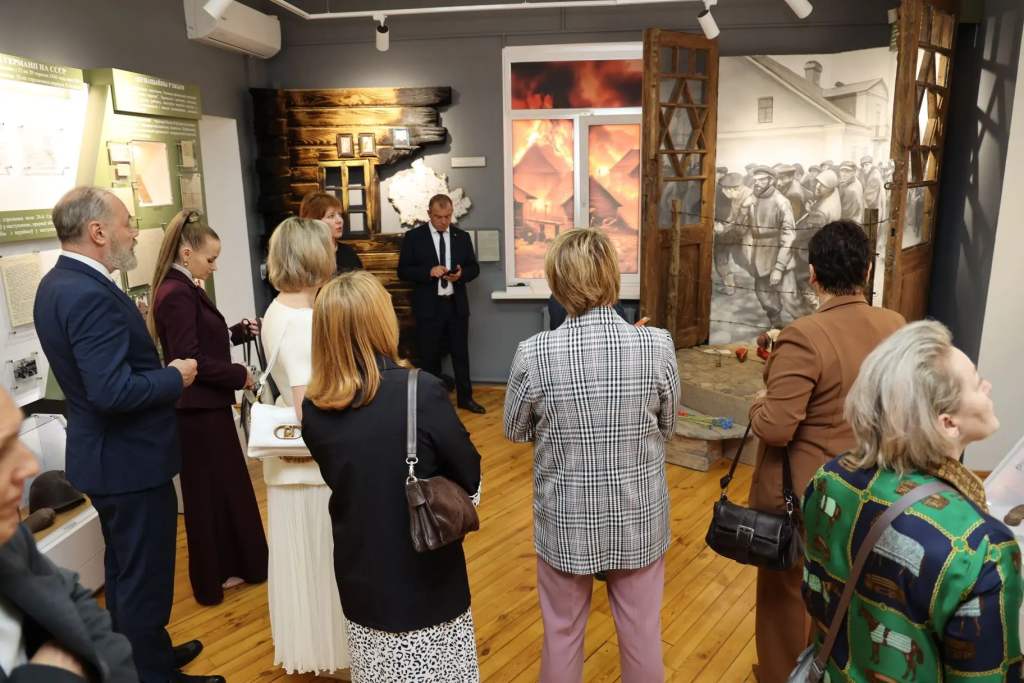
Right after arrival, the delegation visited the Great Patriotic War memorials in Grodno. Flowers were laid at the mass grave of Soviet soldiers and partisans in Zhiliber Park, as well as at the monument to the liberators. This symbolic gesture was a reminder that Crimea and Belarus are united not only by contemporary cooperation but also by a shared historical memory. The theme of preserving the memory of the Soviet people’s feat was repeatedly raised during meetings and talks.
A true highlight of the festival was the performance of the «Tavria» vocal‑choreographic ensemble named after L.D. Chernyshova, part of the Crimean State Philharmonia.
The Crimean artists opened the concert programme of the Russian Farmstead, presenting songs and dances that reflected centuries‑old traditions of the peninsula.
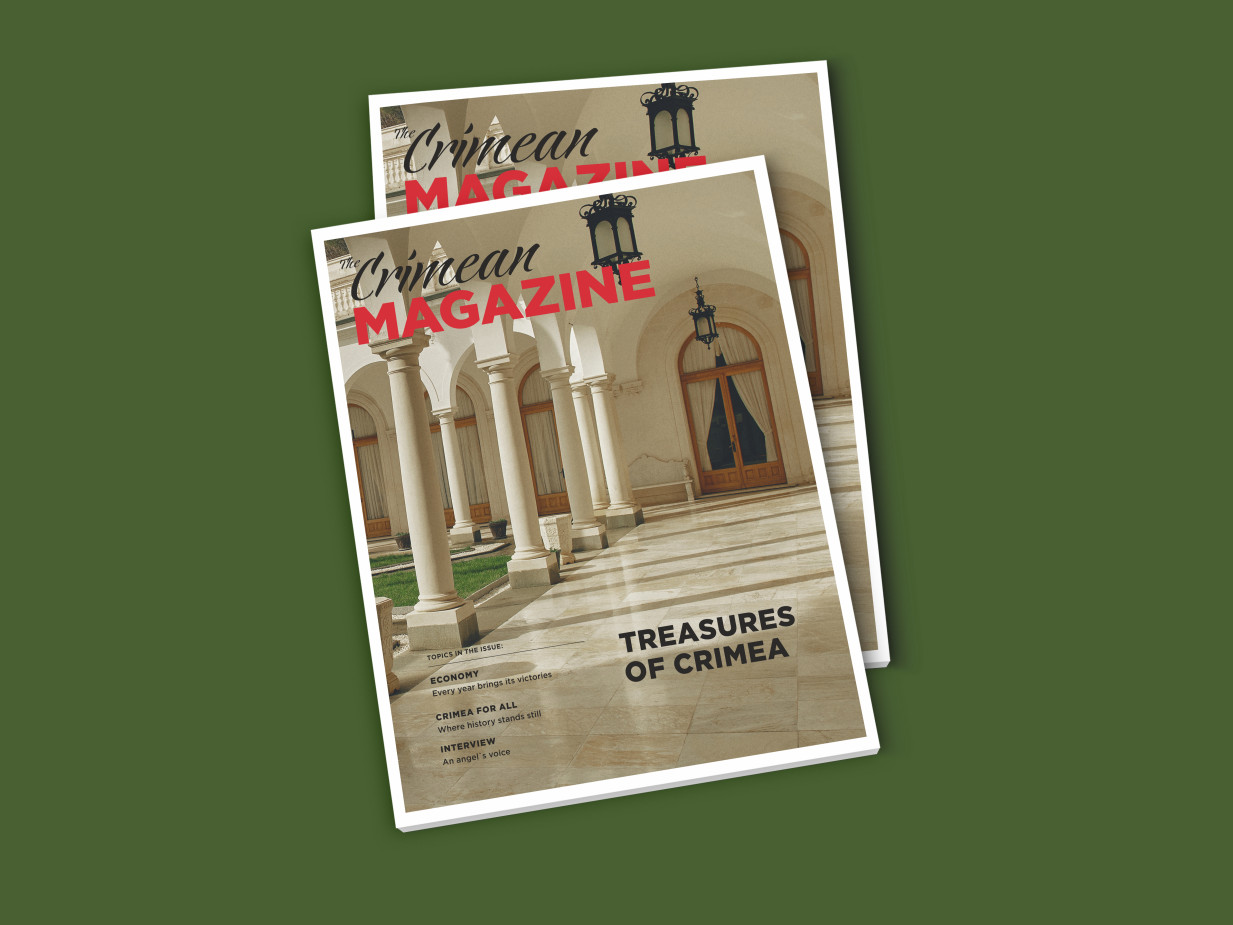
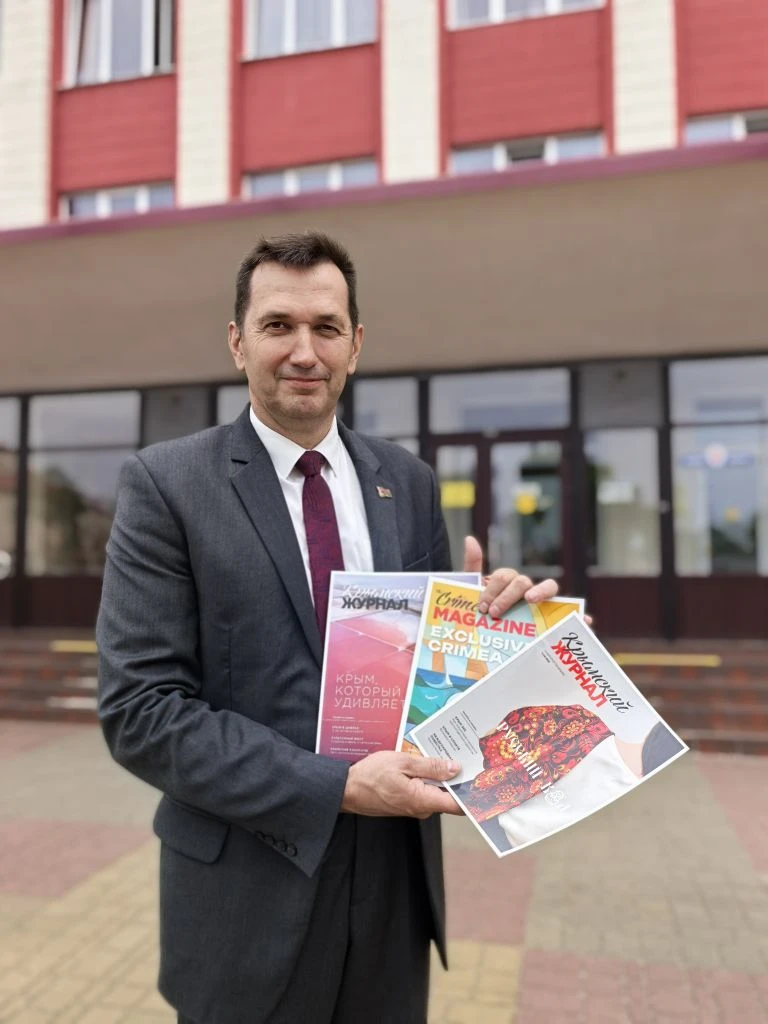
The Russian Farmstead turned out to be one of the most visited venues at the festival. Traditional craftspeople presented original handmade items with a vivid national character. Guests eagerly learned about the peninsula’s traditional crafts, bought souvenirs and chatted with the artisans. The «Crimean Magazine» was also presented at the festival.
Olga Burova, First Deputy Minister of Culture of the Republic of Crimea, stressed the symbolic importance of Crimeans taking part in the anniversary festival – especially as the festival opened on 6 June, the Day of the Russian Language and the birthday of Alexander Pushkin.
«It is very important that we talk about mutual understanding, cooperation and good neighbourliness through our culture, through our traditions and through our history», Olga Burova emphasised.
The Russian Farmstead proved to be one of the most popular attractions at the festival. Traditional craftspeople presented original handmade items with vivid national colours. Visitors eagerly explored the peninsula’s traditional crafts, bought souvenirs and chatted with the artisans. The «Crimean Magazine» was also presented at the festival.
A Town with a Great Past
One of the main items on the business programme was a visit to Ivye – a unique Belarusian town rightfully called a territory of interfaith harmony.
Here, members of the Crimean delegation visited the Museum of National Cultures, an Orthodox church, a mosque and a Catholic cathedral.
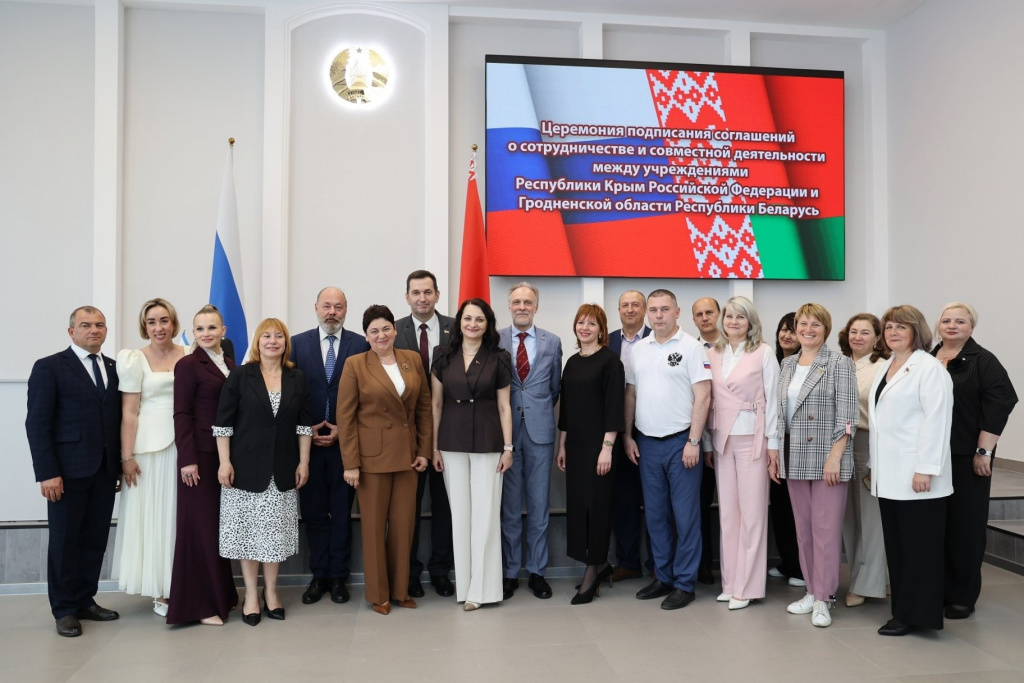
In Ivye, cooperation agreements were signed between educational institutions and museums of Belarus and Crimea.
A separate topic of discussion was the historical heritage of the Belarusian Tatars, many of whom consider Crimea their historic homeland. Igor Genets, Chairman of the Ivye District Executive Committee, recalled the centuries‑old ties between the territories.
«629 years ago, representatives of Crimea appeared on our land. And now they have been living here with us for the seventh century. Kindred souls attract each other, so our cooperation with the Republic of Crimea came about naturally», he noted.
This idea was continued by Adam Radetsky, imam of the Ivye mosque:
«We are always ready to welcome our brothers from Crimea. We hope that cooperation will continue».
From Festival to New Projects
During the visit, negotiations were held with the leadership of the Grodno State Museum of History and Archaeology, meetings took place at the Russian Consulate General in Grodno, and prospects for joint cultural and humanitarian programmes were discussed. The Russian Consul General in Grodno, Andrei Varlamov, underlined the international importance of the forum.
«This festival clearly demonstrates that representatives of different nationalities live in the Republic of Belarus in peace, friendship and harmony. I am confident that the participation of the Crimean delegation will add even more vivid colours to this landmark event», the diplomat noted.
Among the initiatives discussed were new museum projects, educational exchanges, development of tourist links and further interaction between municipalities.
For the Crimean delegation, participation in the 15th Republican Festival of National Cultures became much more than just a cultural presentation of the region.
Over the three days, dozens of meetings were held, agreements were signed, new avenues of cooperation were outlined and existing contacts were strengthened. But most importantly, new human connections were made – the kind that always lie at the heart of great projects.
«We got acquainted, outlined plans, and now we are putting them into practice. We have many points of contact – in culture, education, economy and the preservation of historical memory. We are only at the beginning of a big joint effort», summed up Mikhail Solomentsev.