Dining in Crimea: A legendary history of the exclusive and extraordinary
A glimpse of Venice in Crimea
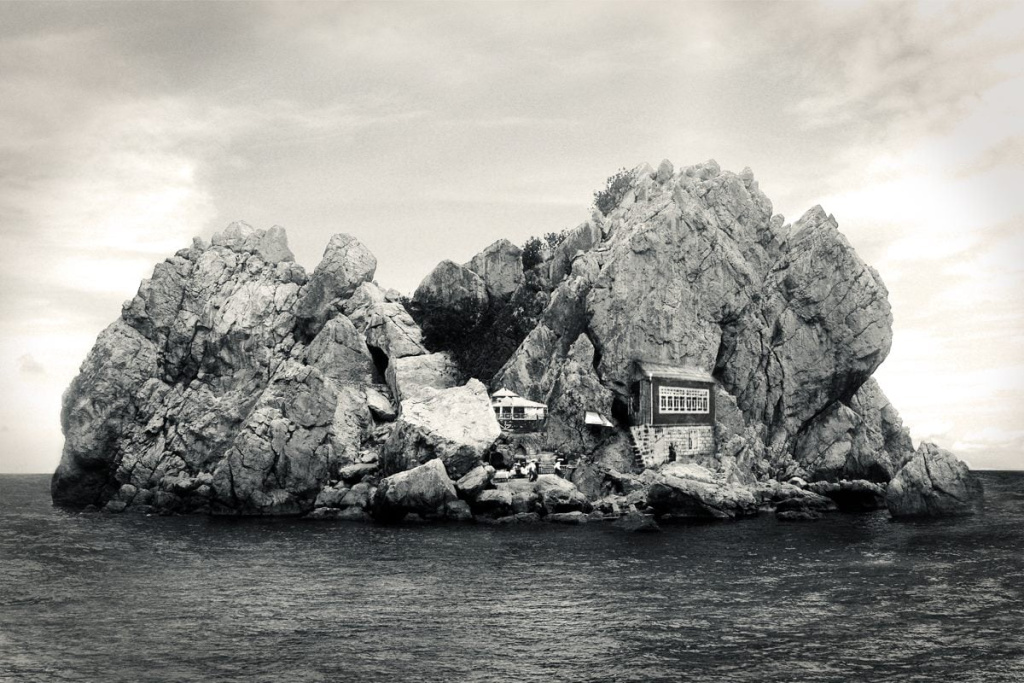
Yalta has always gone out of its way to underscore its elegance and style, with fine dining establishments playing a major role in that effort. Location was one of the most important factors in a restaurant’s prestige. For example, the Venice restaurant was perched atop of one of the Twin Rocks of Adalara in Gurzuf Bay. Like in real Venice, patrons were ferried to the island restaurant and back by rowboats steered by “gondoliers.” The menu primarily featured produce fr om the sea, as well as offerings from local gardens and vinyards.
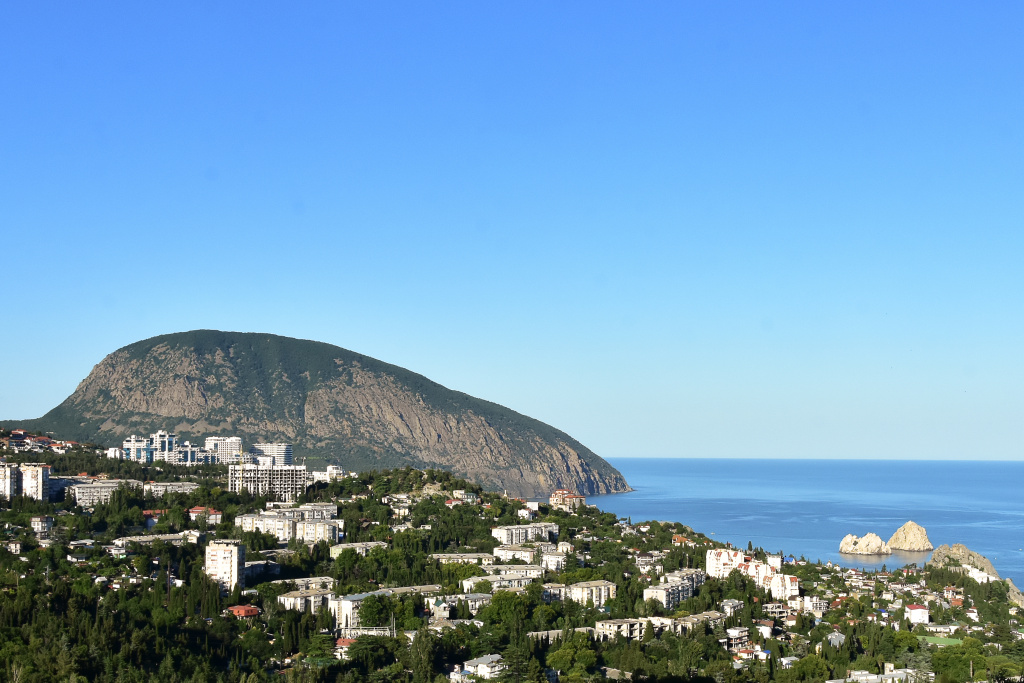
The idea proved so successful that the owner, Praskovya Tikunova, started building a ropeway to offer her customers an easier way to reach her restaurant. However, this ambitious project never came to fruition, hampered by the social upheavals of the early 20th century, and was ultimately abandoned after an earthquake loosened the rock in 1927.
A collapsed nest
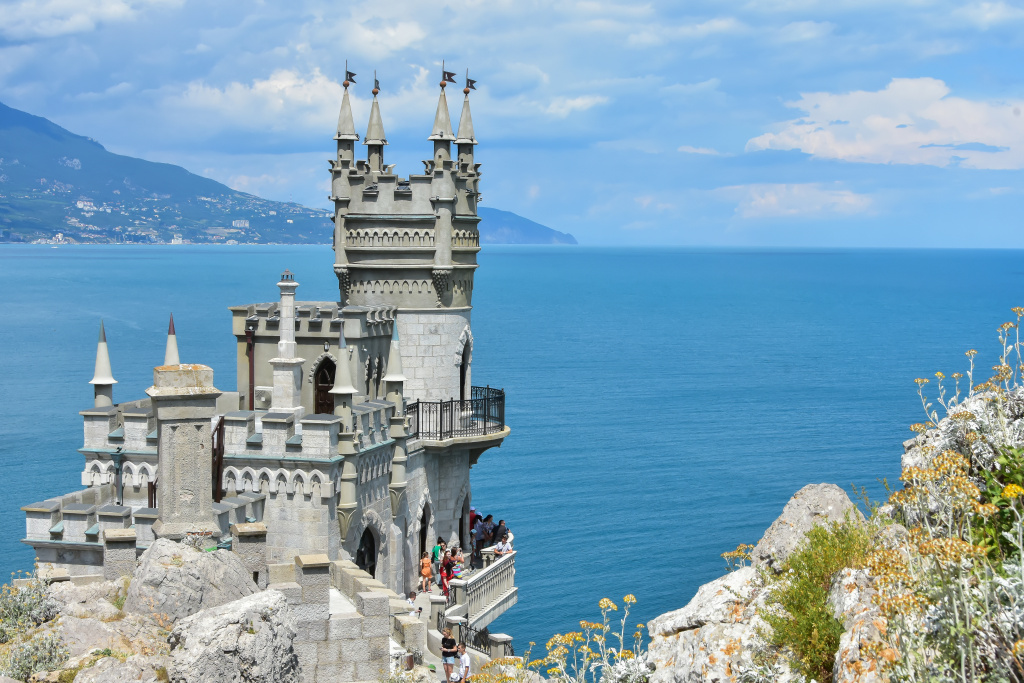
The New Economic Policy announced by the Communist government breathed new life into many exotic luxury projects. In the spring of 1927, a canteen-restaurant opened at Swallow’s Nest, a former summer residence on top of a tall cliff. However, the Swallow project was short-lived: in September, an earthquake caused part of the building’s tower to collapse into the sea. It was a miracle that nobody was hurt, as the public left just ten minutes before the main tremor occurred.
The castle was not rebuilt for another half a century. In 1971, major renovations finally gave Swallow’s Nest its modern look. The restaurant reopened to epitomise a glamorous lifestyle for the next few decades. In the 1990s, Italian cuisine replaced post-Soviet recipes, but in 2011, the Crimean government shut it down to repurpose the premises for a cultural centre.
Yalta, a gastro brand
In Soviet times, the Swallow’s Nest restaurant had a rival – Karagol, aka Lesnoy. This stylish log building was erected in 1967, not far from the Uchan-Su waterfall, on the shore of a forest lake inhabited by tame swans. The menu complemented the elegant setting, featuring quail as a casserole in a pot with a porcini mushroom sauce, or roasted on a spit with sour cream sauce. Guests savoured lamb shashlik served on portable braziers accented with stuffed grouse for visual appeal. A cage with trout floated in the lake, and the hors d’oeuvres were artfully presented, with green branches laid out on a tray and a small tree stump supporting a plate of salad.
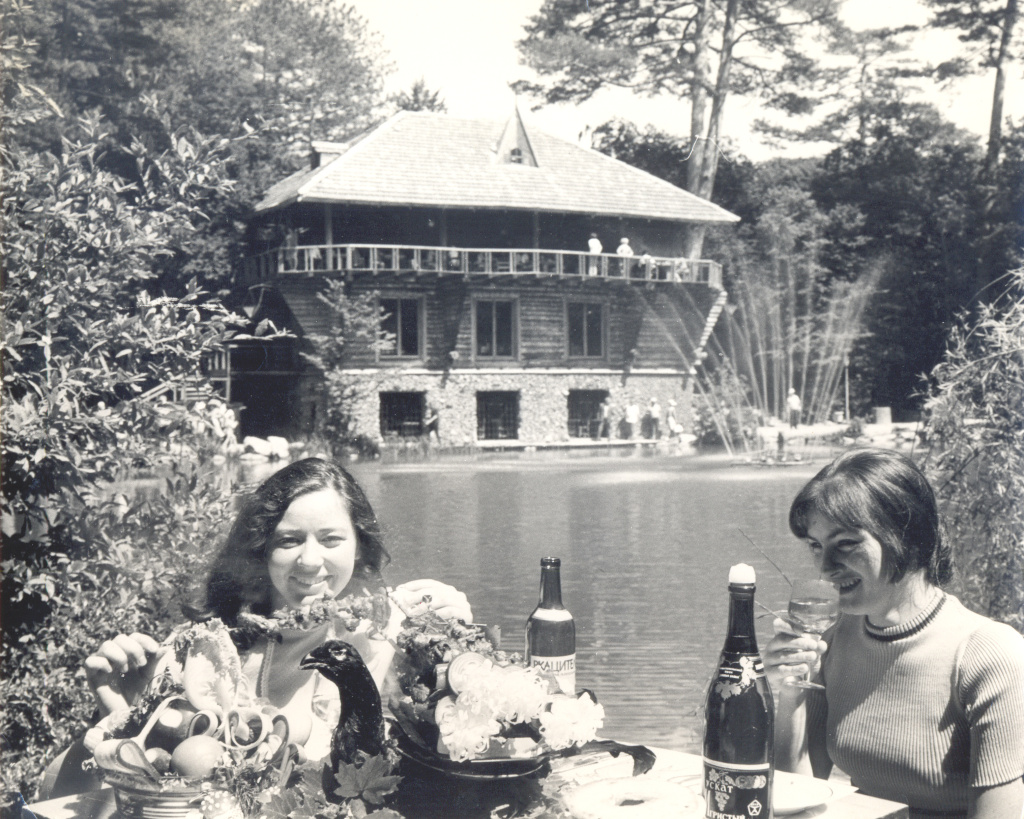
The party came to an end with the onset of rampant capitalism and a massive redistribution of property, when the beautiful restaurant burned down.
The closest thing to modern-day fast food
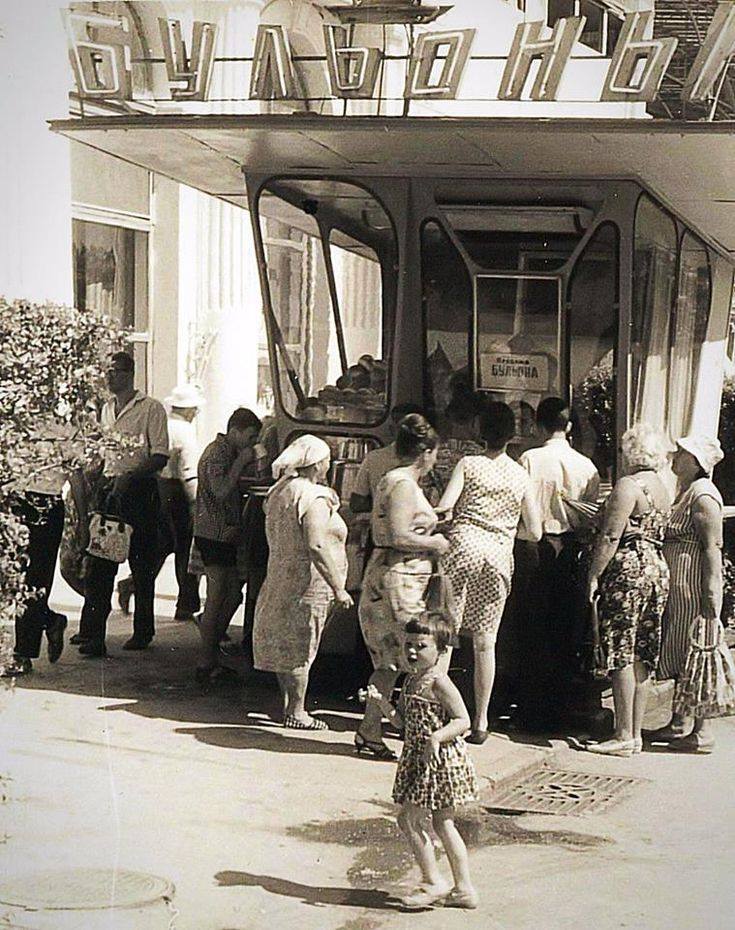
Dining was always diverse at Crimean resorts, with high-end restaurants operating side by side with fast-food pavilions – essentially the precursors to the modern fast-food segment. The long seafront housed numerous Bulion-Pirozhki (Broth and Pies) kiosks, Gribki (Mushrooms) and a nameless glass pavilion known as Steklyashka (Bauble).
Cheap diners have etched their place in national culture. Yury Vizbor, the iconic poet and major influence on the Soviet intelligentsia, immortalised the stall that sold hot broth in his song November in Yalta. Nobel Prize winner Joseph Brodsky placed the characters Poet and Faust in his poem A Winter Evening in Yalta in one of these cheap restaurants. Director Leonid Gaidai and actor Mikhail Pugovkin warmed themselves up with strong drinks here while filming a scene from Ivan Vasilievich Changes His Profession in the biting wind.
A cosy place
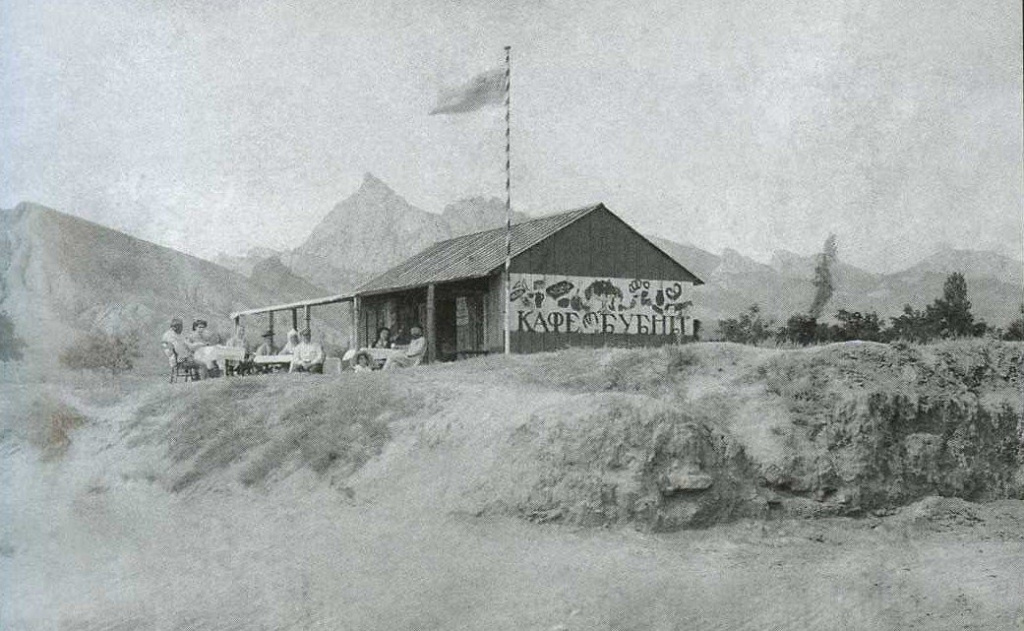
Creative restaurateurs were by no means concentrated solely along Crimea’s southern coastline. In 1912, Alexander Sinopli from Koktebel opened a café, Bubny, in his native village. The St Petersburg beau monde who visited poet Maximilian Voloshin [during his stay in Crimea] loved both the form and the content of the new place. The best Silver Age poets would not even consider passing by without enjoying a cheburek meat pie, having a glass of good wine and reciting poetry at this café. Live recitals graced its modest stage, with verses like “Here, my mother-in-law and I drank two cups of coffee, why” inscribed on the walls.
Voloshin’s Koktebel brotherhood convincingly refuted the notion that the muses go silent “when the cannons are heard.” In the midst of the Civil War, another literary and theatre group formed in Feodosia, wh ere the local creative intelligentsia gathered at the Cup of Tea cafe. The menu was not extensive, but exquisite in its own way, with Turkish coffee and mussels served with barley porridge.
With love, even a hut is heaven
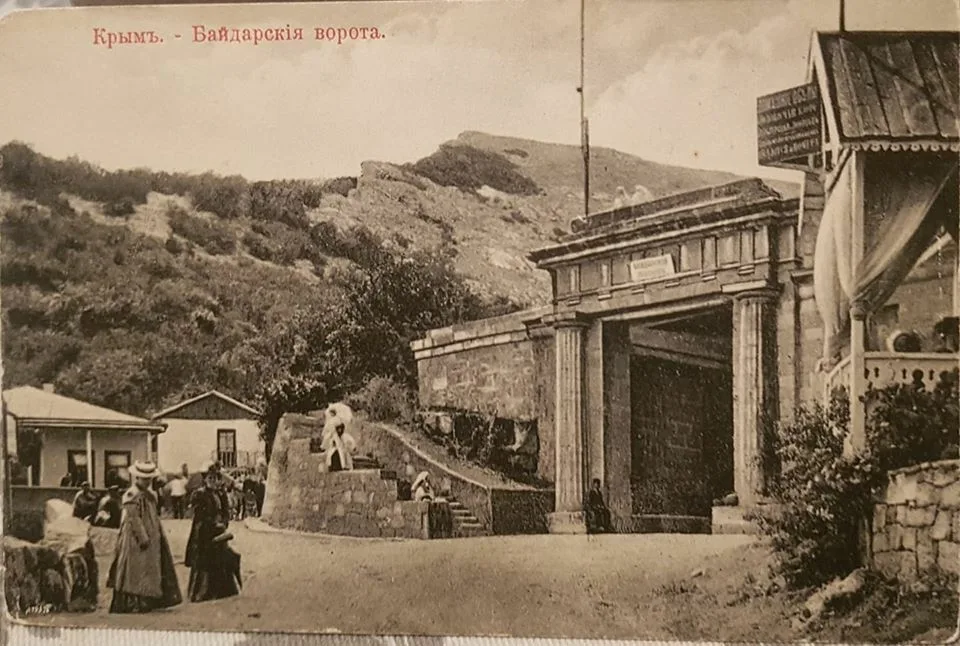
A restaurant with the unassuming name Shalash (which translates as a crude hut made of tree branches) is situated in an iconic location on the Baydar Gate mountain pass. Emperor Alexander II was the first to appreciate the beauty of local nature and tasty cuisine. In 1880, he secretly married Princess Yekaterina Dolgorukova, and the couple eloped to Crimea. On the last day of their honeymoon, the lovers visited the Baydar Gate. “Fascinated by the view of the Black Sea and the bluish mountain pastures known as yayla, the emperor ordered that a table be set outside. The dinner was a merry and lively affair, and everyone’s faces were alight with happiness,” an eyewitness reports.
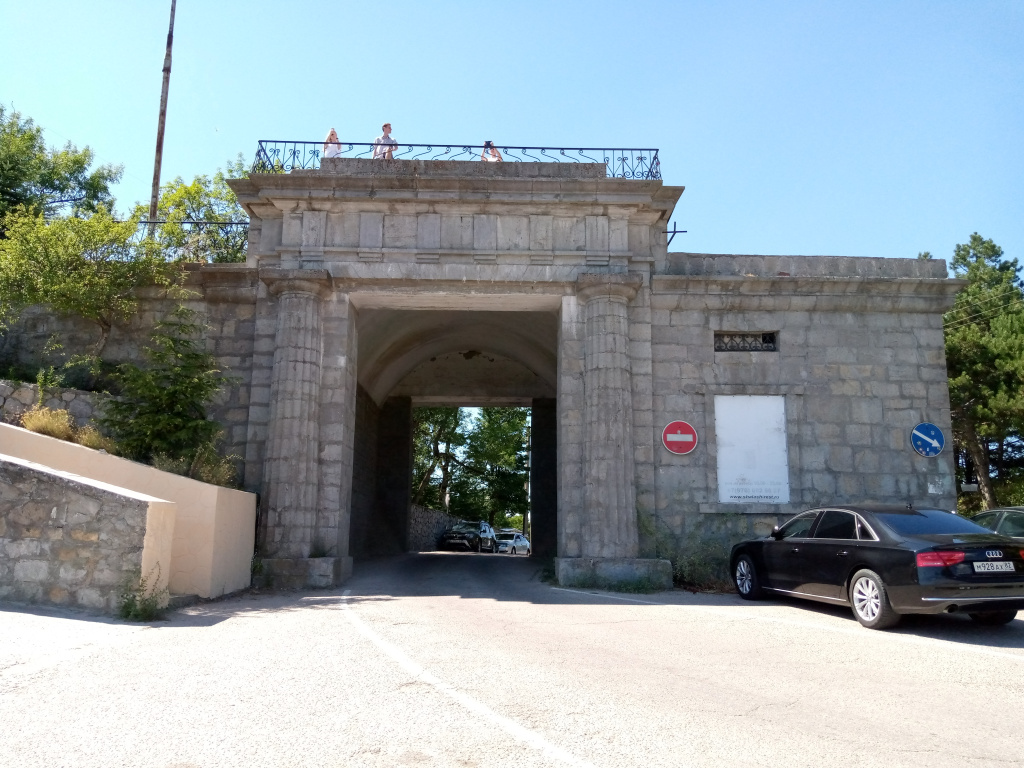
Built in 1962, Shalash honourably carried on the local hospitality traditions that date back centuries. Its specialities included chebureks with different fillings and Baydar style lamb: tender meat stewed in a “secret” sauce and served with a vegetable side dish.
In full sail
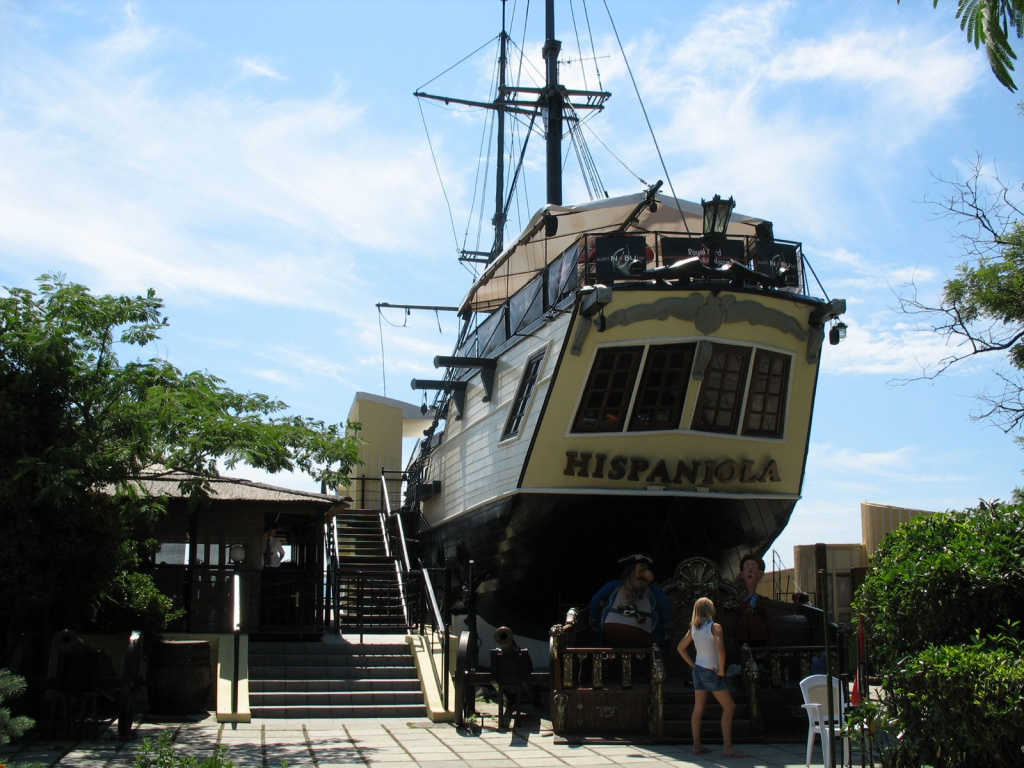
The Hispaniola is a major landmark on the Yalta embankment. This old schooner, used in the filming of Treasure Island in Crimea in 1970, is extremely realistic. The remarkable professionals who worked on the screen adaptation of the famous pirate treasure story conveyed the spirit of the time convincingly, reproducing the appropriate realities, including the schooner, with amazing credibility.
Later, the schooner became highly sought after by film-makers, but the maritime department intervened. Meeting its requirements would have compromised the ship’s exotic flair, and The Hispaniola was converted into a bar. Its menu focused on seafood; the waiters were dressed as 17th century sailors, and customers could see wooden sculptures of Treasure Island characters in the hold and were given branded badges to keep as souvenirs.
Hospitality and “common good”
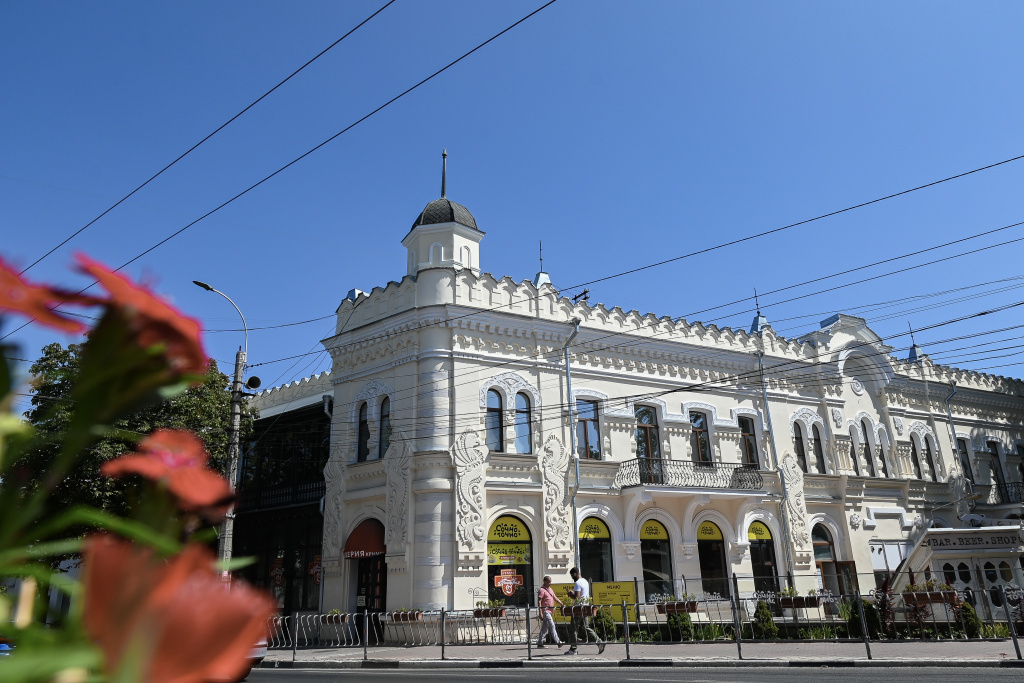
One of the landmarks in the centre of Simferopol is known as the house with dragons. For over a century, the beautiful creatures carved on its façades have guarded the gastronomic traditions of Simferopol, which translates from Greek as the city of common good. In the 19th century, the building’s ground floor, framed with intricate cast-iron gates, housed a place called Gubernskaya Shashlychnaya (the provincial shashlik place), which was recommended by every guidebook. In Soviet times, it also housed a restaurant called Yuzhny. Its speciality was Simferopol-style sausages. During the bicentennial celebrations in the Crimean capital, a trendy pizzeria opened in the building. Having smoothly integrated previous traditions, it continues to serve delicious pizza, those very same sausages, and sumptuous Solyanka soup to this day.
Another Simferopol speciality is meringue cream rolls. Compliance with GOST requirements works wonders: there is always a small line of people with a sweet tooth outside the shop.
Not a bad tavern by the Angara River
The village of Perevalnoye, along the Simferopol-Alushta motorway, a modest eatery called Cheburechnaya catches the eye. This unpretentious roadside tavern is famous among the locals and visitors for its delicious food and affordable prices. Few people know though that travellers enjoyed visiting this place as far back as 1864, referring to it as “not a bad tavern by the Angara River.”
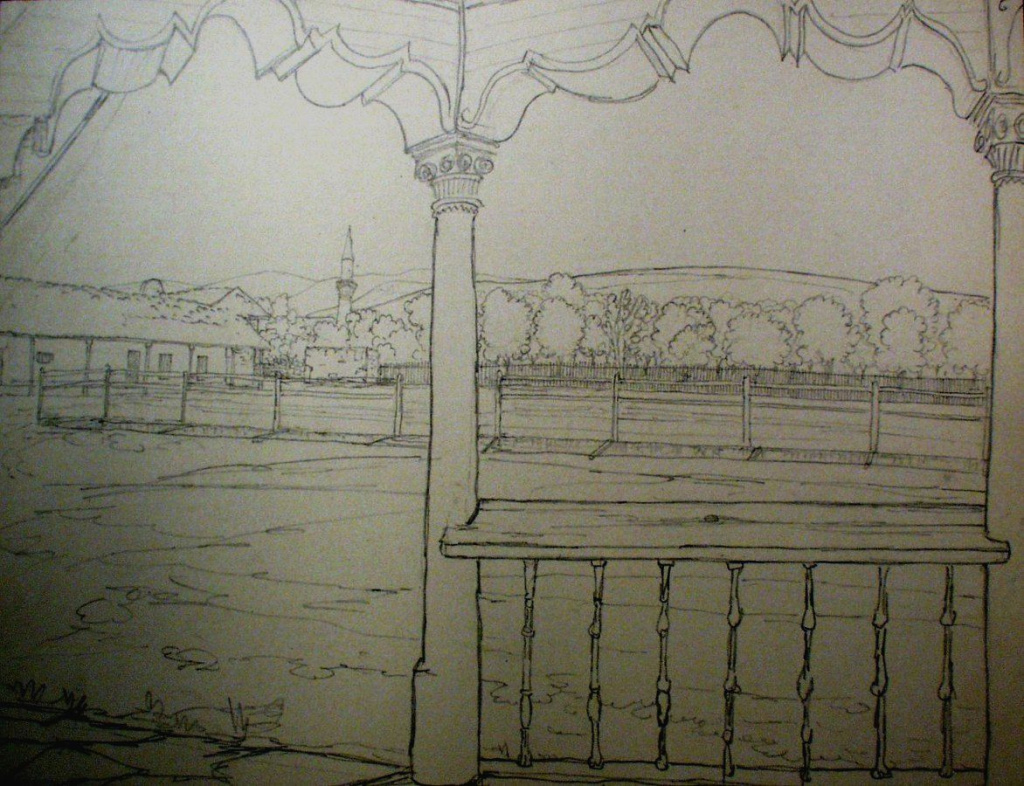
Even earlier, in 1837, poet Vasily Zhukovsky jotted down some vivid impressions in his diary after staying at Memet Murza’s inn in the village of Mamut-Sultan (now Dobroye, a village close to Perevalnoye): “I had a coffee with some saurma-berek pies. Kurabie are pastries made of flour and honey. Kaymak and keban borit on a frying pan (honey, butter)”. Satisfied, Zhukovsky sketched in his album the guest house provided by the owner of the estate.
“May the fates be ever in your favour”
This phrase is used in Crimean Tatar families to welcome guests while offering them a cup of strong, hot coffee. All travellers mention coffee houses, which were a kind of men’s clubs. The hot drink, with its distinct aroma and rich foam, invited leisurely pastime and friendly conversation.
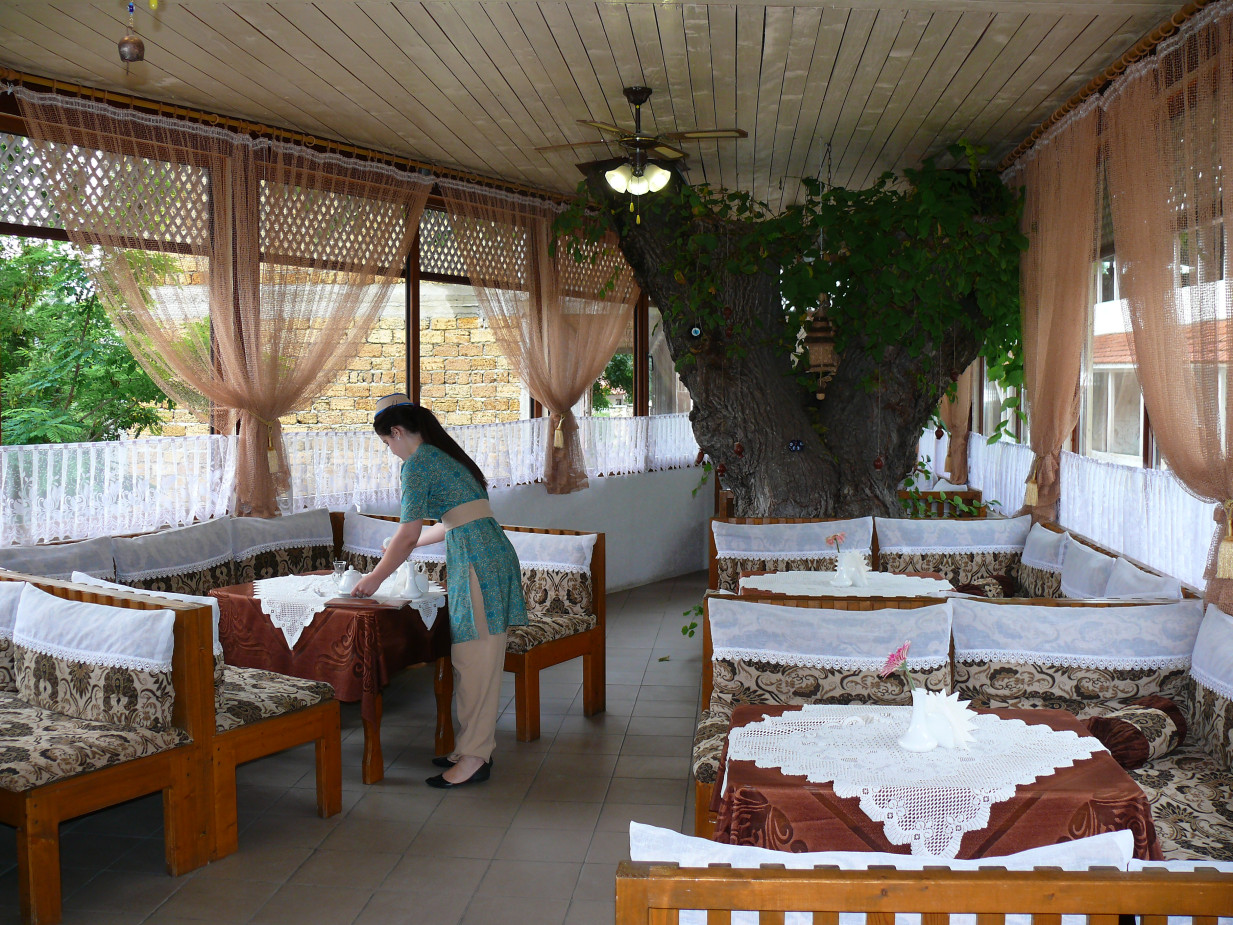
Degirmen, a stylish gastro bar (the name translates as coffee grinder) is a source of pride in today’s Bakhchisarai. It offers visitors a variety of traditional coffee brews, regular and herbal teas and desserts, as well as a beautifully made diorama of the “garden city” during the heyday of the Crimean Khanate for guests to admire.
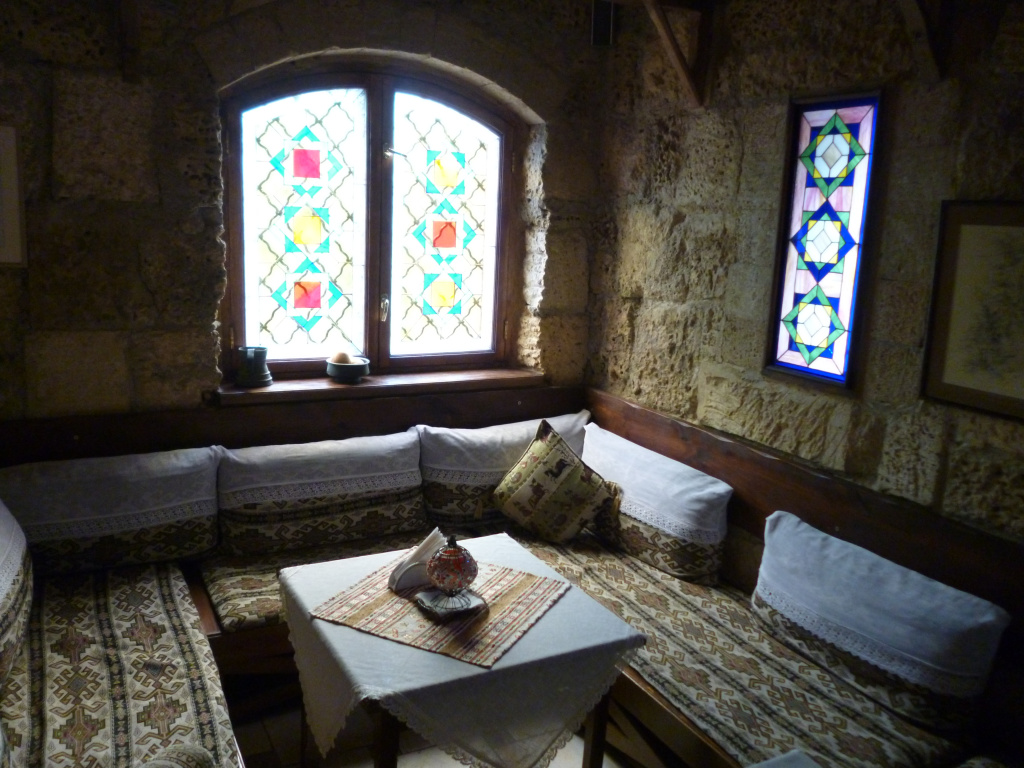
Gourmets are welcome to enjoy excellent coffee at Gezlev Kafesi, a Yevpatoria coffee house located in a real fortress tower, wh ere house specialty desserts and pastries are served with the noble drink brewed according to original recipes.
Текст: Ivan Kovalenko
Фото: Ivan Kovalenko, Gala Amarando