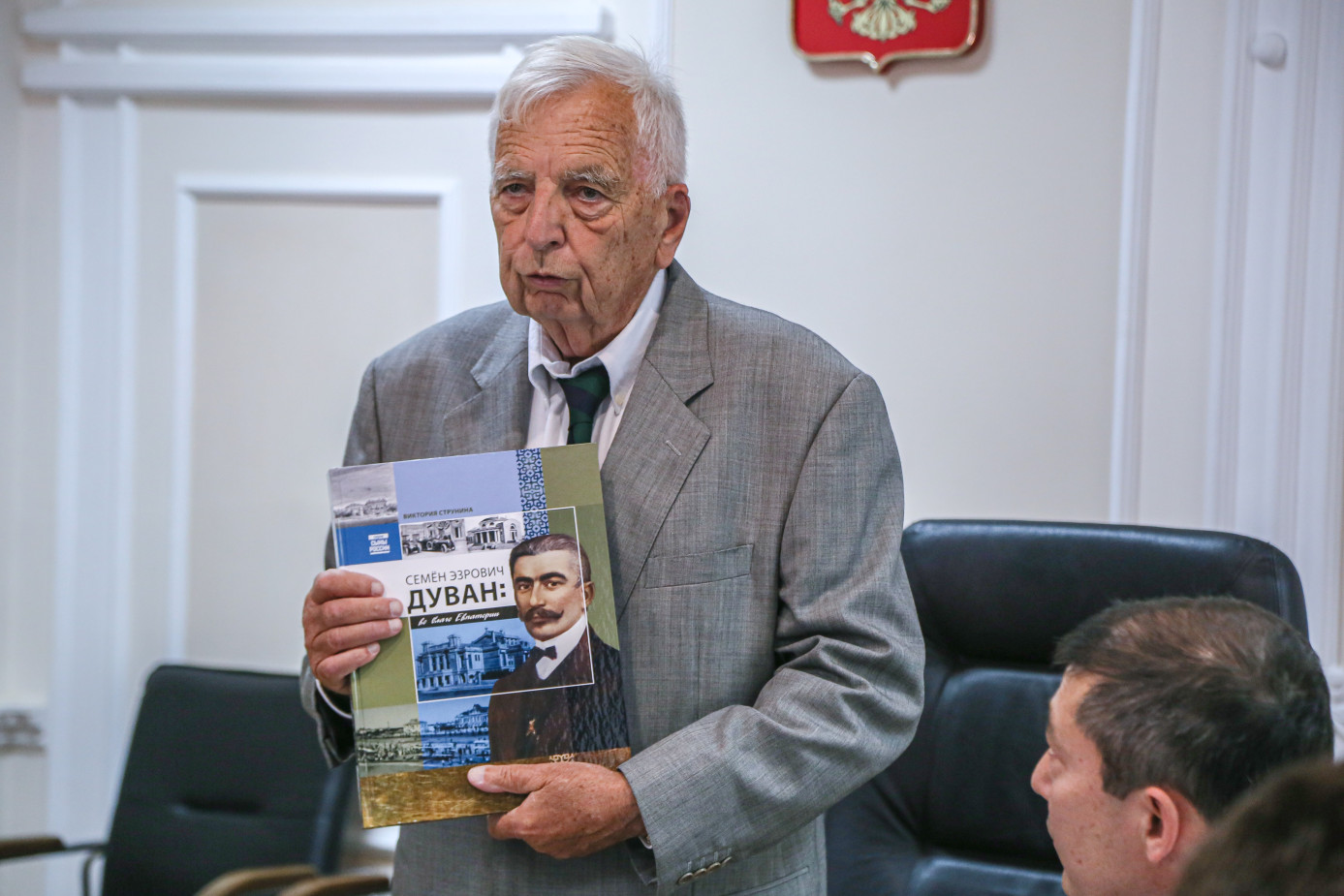
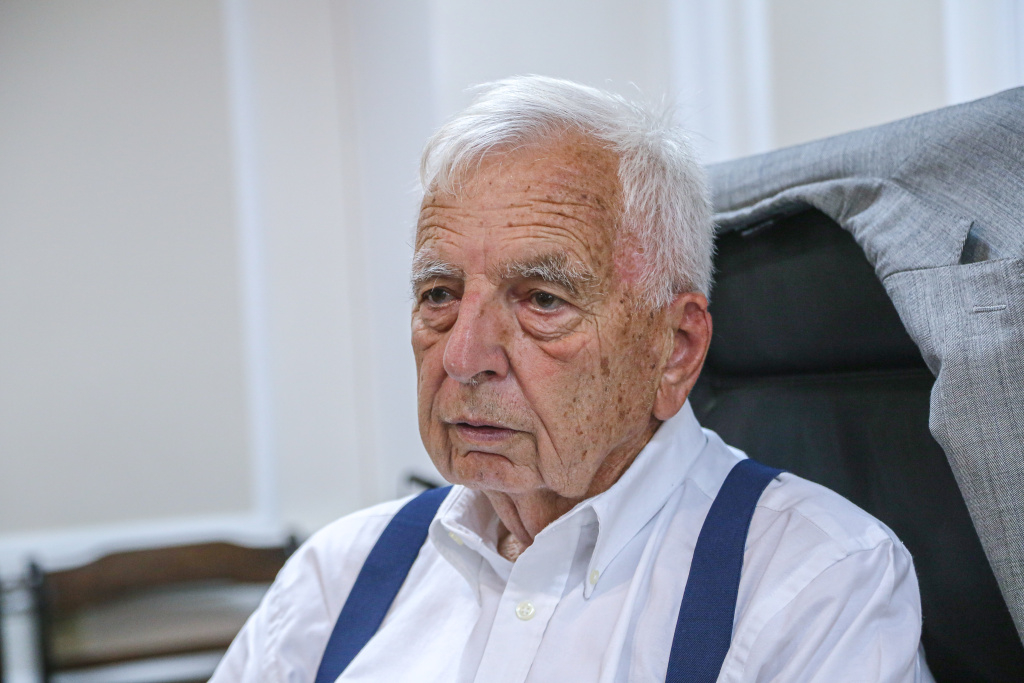
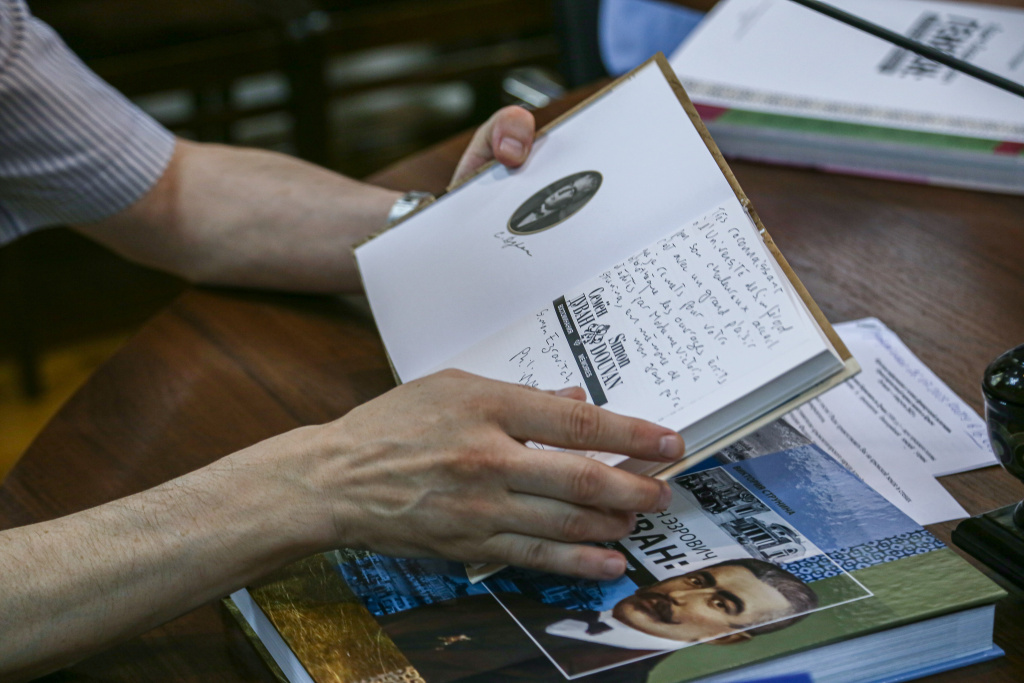
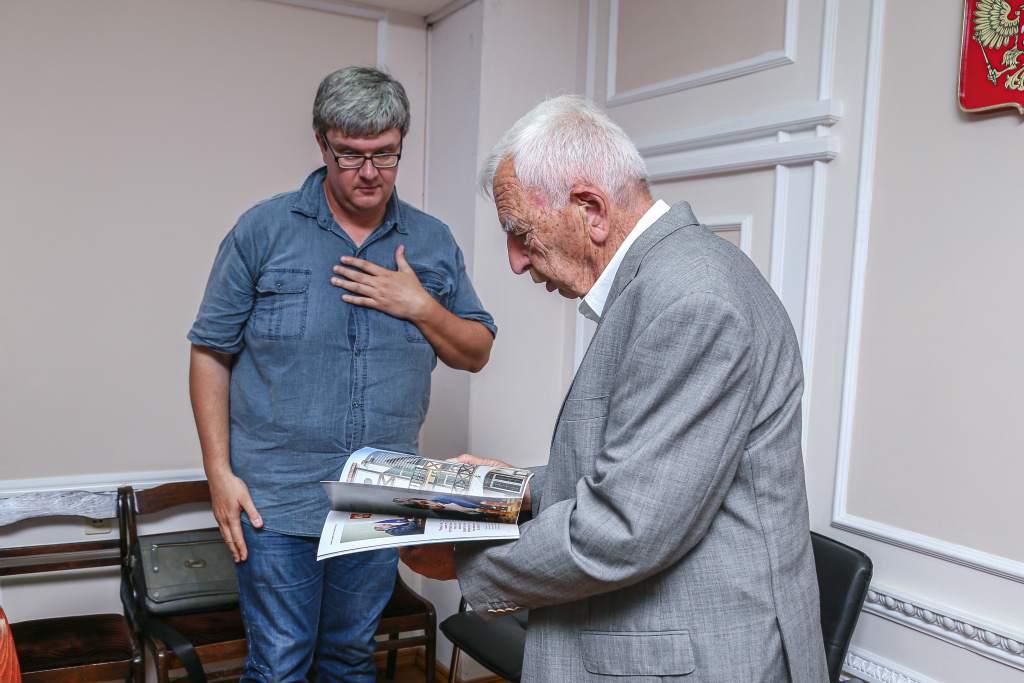
Few people visit the old country for the first time at the age of 85, but Philippe De Douvan is not one of them. The grandson of the legendary Yevpatoria Mayor Semion Douvan, a worthy successor of a famous Karaim family, a successful engineer and the keeper of historical memory, Philippe De Douvan has visited Crimea on the ninth decade of his rich life.
Before going back to France, he promised to tell his compatriots the truth about the historical choice Crimeans made in 2014. In an interview with the Krymsky Zhurnal magazine, the descendant of the famous mayor of Yevpatoria spoke about France, Russian Crimea and his love of the Russian culture.
Question: Have your expectations of Crimeans materialised?
Philippe De Douvan: I was impressed by their knowledge of French literature. Some of them know it better than I do, but it’s a minor sin because I am an engineer (smiles). It is gratifying that many people on the peninsula I have met here try to keep their historical and cultural roots, which I have lost. My ancestors, my family moved to France in 1920.
Question: What are your impressions of places in Crimea that are associated with your ancestors?
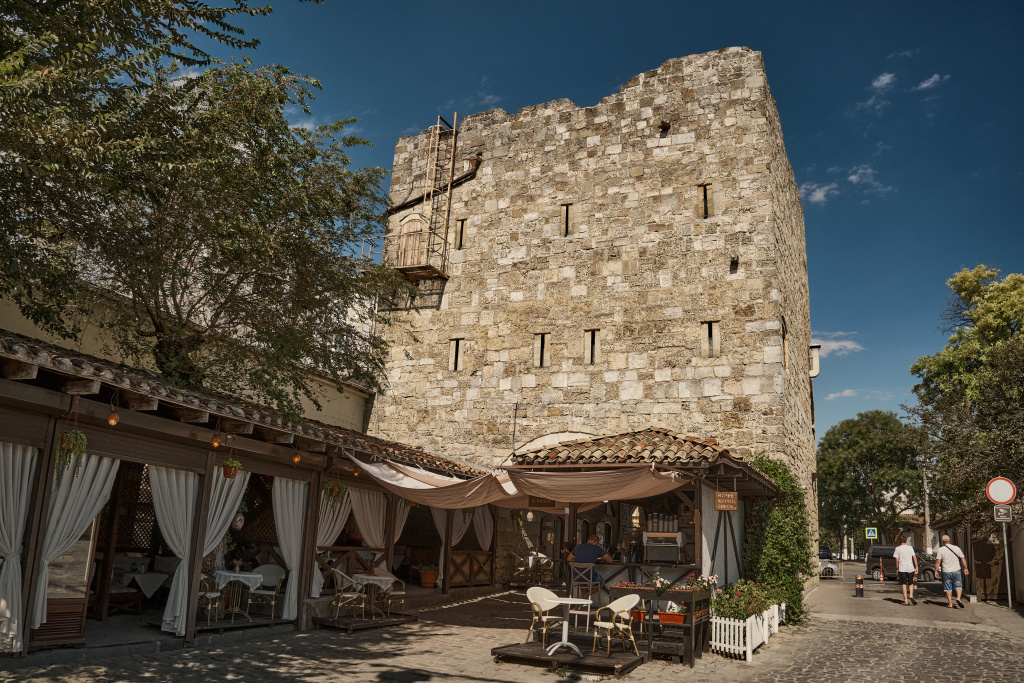
Philippe De Douvan: They are absolutely positive. Of course, I saw the photographs of Chufut-Kale before, but I felt its special atmosphere when I walked around it.
Question: What did your father, Boris De Douvan, who was born in Yevpatoria think about separation fr om his home country?
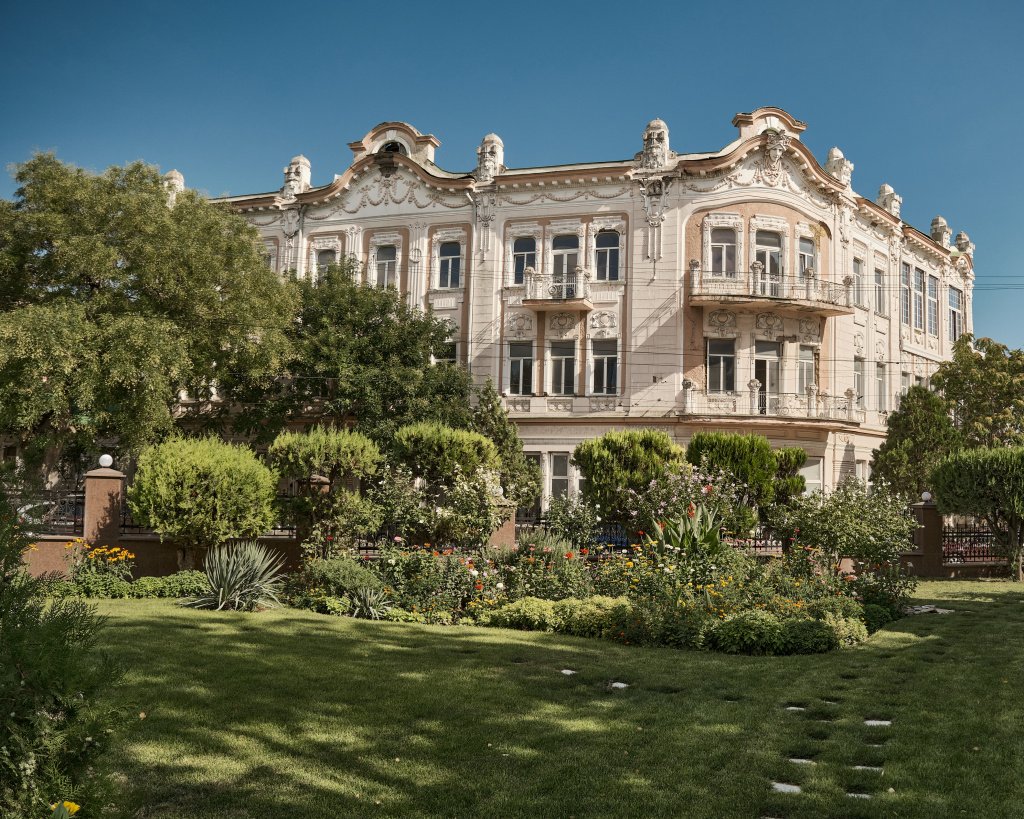
Philippe De Douvan: Dad missed Yevpatoria. He was six when our family emigrated. Like all first-wave émigrés, he always dreamed of returning home. His heart remained in Yevpatoria, which, as he told me, looked very much like the French Riviera, wh ere Semion Douvan waited for a meeting with his homeland until he went to his eternal rest above. My grandfather really loved Russia, and his separation fr om Yevpatoria, wh ere he had such an interesting job, pained his heart. All my relatives – my father and my brothers and sisters – were homesick. It is extremely difficult to explain that complex, multifaceted and boundless feeling of loss. Life in emigration is always difficult. My ancestors lived through wars and crises. Thankfully, me and my sons lived in peace for over 70 years. But my parents lived through the troubles of the First World War, two revolutions in 1917, the Holodomor, and the Second World War, in particular, the Nazi occupation of Paris. It was a difficult life, yet they tried to preserve our traditions, just like other Russian émigrés in France.
Question: You say that you are a hundred-percent French, but can you also say that you are a Russian?
Philippe De Douvan: I have been Russian all my life, although my sons don’t speak Russian and my wife is a German. I was happy when I was welcomed so hospitably in Crimea.
Question: After all, you come from a noble Karaim family.
Philippe De Douvan: We were also related to the Ghelelovitches [the family of Moshe Ghelelovitch (1788-1869), a merchant and an honorary citizen of Yevpatoria - Ed.] and the Baboviches [the family of Sima ben Salomon Babovich (1790-1855), a Karaim merchant and philanthropist - Ed.]. They were remarkable people in their fields. I hope you know them.
Question: Yes, of course.
Philippe De Douvan: I respect such journalists (smiles). We must know and take an interest in everything. I don’t like it that journalists in France can no longer share their opinions. And when they are invited to the talk shows we have every day, you are bound to see a Ukrainian journalist there, a woman, calling the tune.
Question: Do the French media provide a true picture of modern Russia?
Philippe De Douvan: They turn everything upside down, presenting Russians as savages. At the same time, they insist that France must increase sanctions pressure on Russia to make its economy crumble, and so on. They are on our television, which sounds like American CNN now, round the clock, repeating this dozens of times a day. They have even come to jeering and making acid remarks at the videos of dying Russian soldiers. I find this extremely unpleasant.
Question: France used to be a country of great culture…
Philippe De Douvan: No more. We have become the lapdogs of America and Biden. I don’t think that Russia wants to occupy London or Paris. But if Europe and Russia were allies, it would have been a formidable power which would stand in America’s way.
Question: You seem to dislike America.
Philippe De Douvan: The only thing I like about America is jazz. I love jazz. Everything else makes me sick, including Coca-Cola and the American way of life. They want us to live as they do, but why can’t we live as we want? As you know, the main thing in enlightened Europe now is to teach children how they can change their gender.
Question: Which Russian writers do you like?
Philippe De Douvan: Some people keep a Bible at their side and read it every day. To me, a book of Chekhov’s stories is the best book. He is wonderful! Chekhov is my favourite writer. He can give a concise description of the atmosphere, human feelings and nature on three pages. That is why my trip to Crimea included a visit to the Chekhov Museum in Yalta. My other favourite writer is Mikhail Bulgakov.
Apropos
Philippe De Douvan, the son of Semion Douvan’s younger son Boris, is not the first descendant of one of the brightest members of the municipal government in the Taurida Governorate, to visit Crimea. In 1995, Philippe De Douvan’s elder sister Irina Ravazzi Douvan (1935–2019) visited Yevpatoria to take part in the celebrations of her grandfather’s 125th birth anniversary. She was accompanied by her son Aldo Ravazzi Douvan. Local people say that Irina was deeply moved when she learned that the city had not forgotten its pre-revolutionary Mayor Semion Douvan.
Text: Alexey Vakulenko
Photos: Mikhail Gladchuk, Yevgeny Letov