Over the span of just ten years, Russian Crimea saw hundreds of facilities completely renovated or built from the ground up, something that couldn’t have been accomplished during the long 23 years when Crimea was part of Ukraine. The republic has received new infrastructure, hotels, modern hospitals, kindergartens, schools, and more. Here are the top ten facilities that Crimea is proud of as it welcomes the tenth Crimean spring.
Crimean Bridge
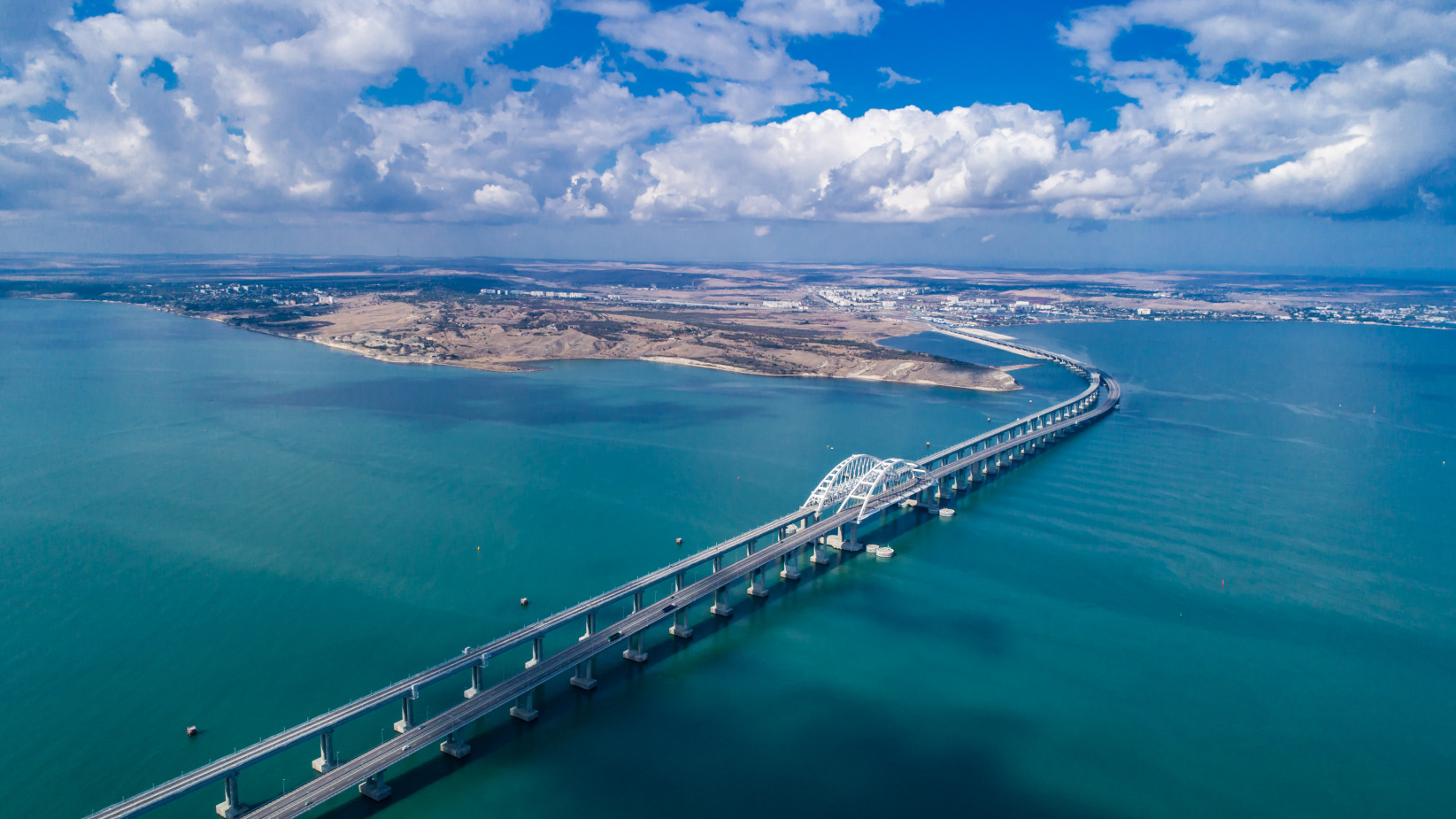
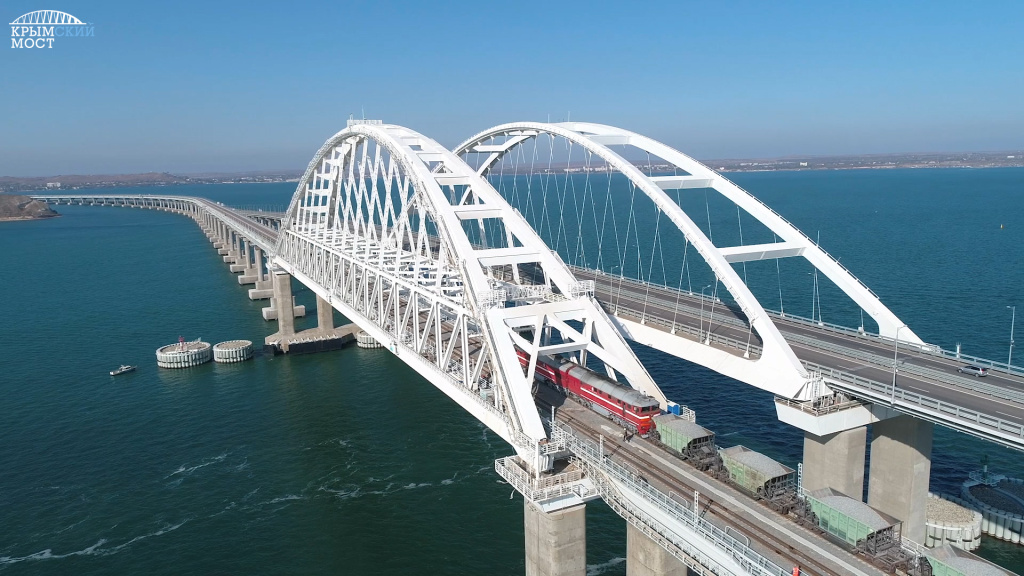
The Crimean Bridge stands as a symbol of the peninsula’s reunification with Russia and is one of Russia’s most important and widely used infrastructure projects. Over two million vehicles crossed the bridge in 2023 alone.
Efforts to build a crossing over the Kerch Strait have been made over many years. In 1944, this was briefly achieved. In November, rail traffic across the bridge opened, but February storms on the Black Sea set the ice floes in motion, and the structure succumbed to their impact.
Since then, the idea of rebuilding the bridge has remained pertinent, but was implemented only after Crimea returned to its native harbour. Traffic on the motorway part of the bridge opened on May 15, 2018. President Vladimir Putin was the first to test the strength of the bridge by driving a KamAZ lorry across its 19 kilometres, which makes it the longest structure in Russia and Europe.
More than 10,000 construction workers built the Crimean Bridge, using a unique technology; 595 bridge abutments were driven into the ground, onto which bridge spans were successively moved from the shore.
Tavrida Motorway
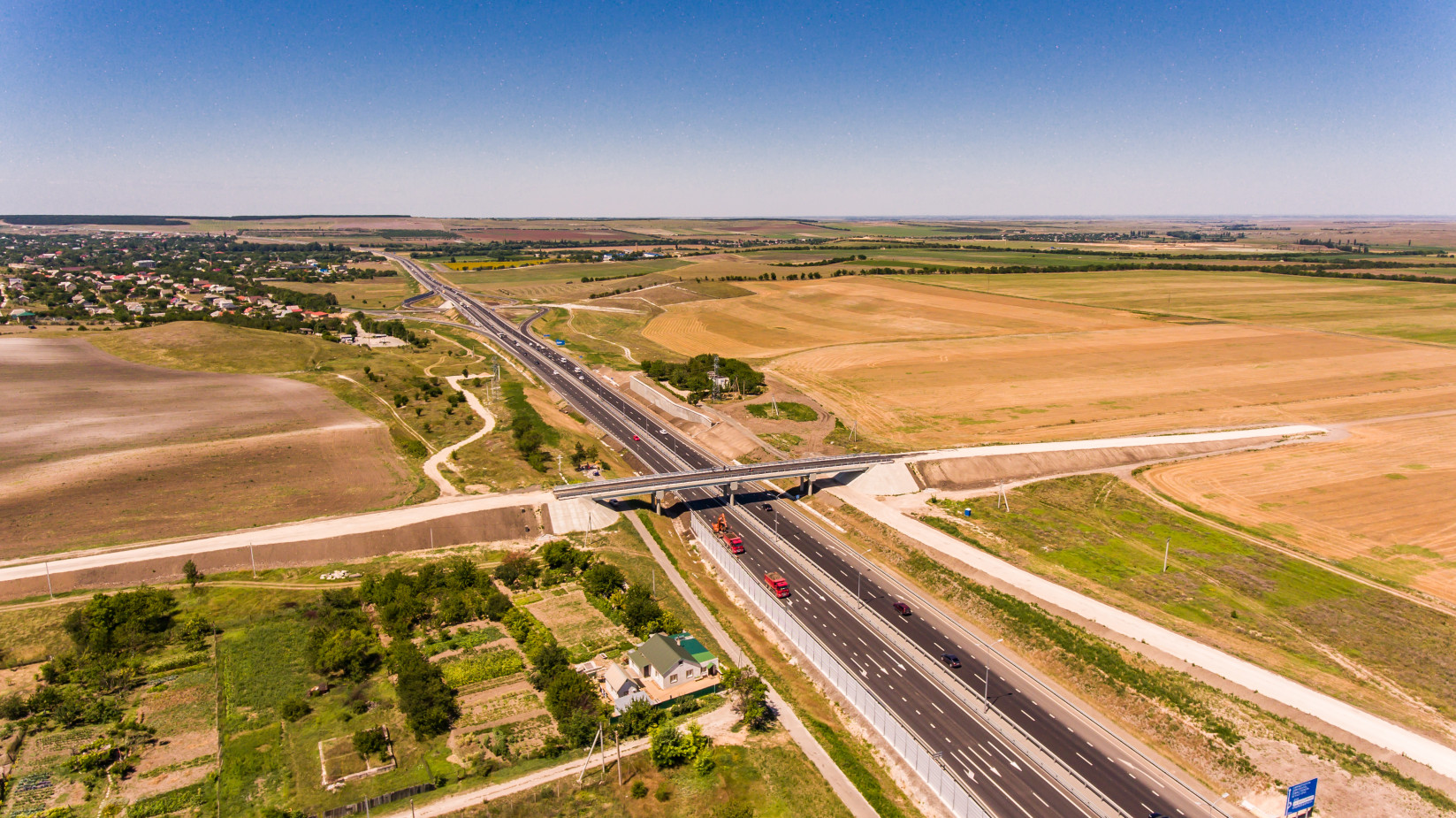
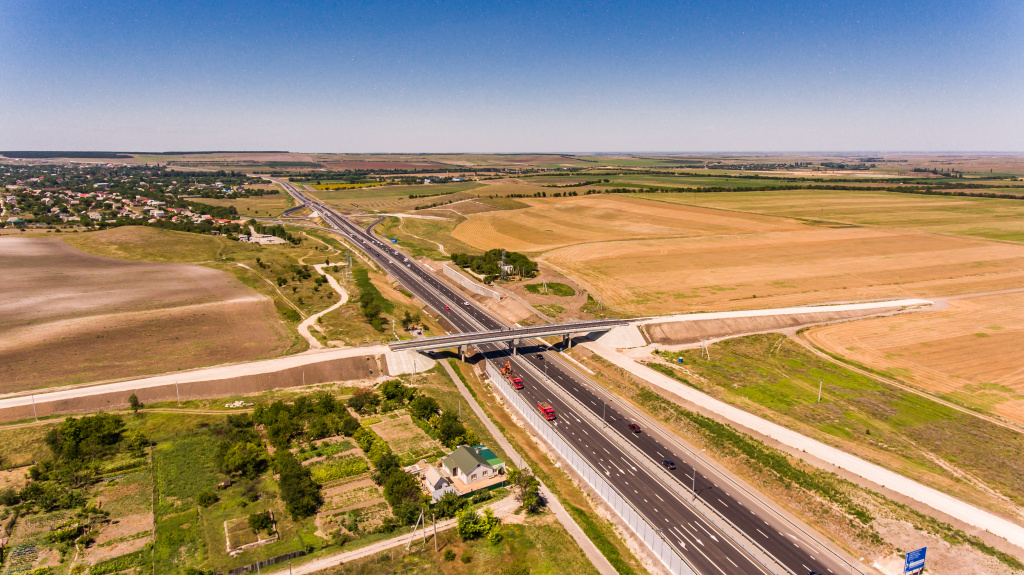
On leaving behind the Crimean Bridge, you enter the Tavrida Motorway which is the main transport artery on the peninsula.
The construction of the 250-kilometre-long federal four-lane A-291 Kerch - Simferopol - Sevastopol motorway began in the spring of 2017. Two-lane traffic opened a year later, on a 190-kilometre-long stretch.
The Tavrida Motorway includes 19 interchanges, 96 bridges, and flyovers, with service areas replete with essential amenities such as filling stations, cafes, retail outlets, and playgrounds.
The modern thoroughfare has made the journey much more comfortable for motorists and reduced the driving time from Kerch to Sevastopol to two and a half hours. Over 13 million vehicles have used the motorway since it first opened to traffic three years ago.
Multidisciplinary Medical Centre
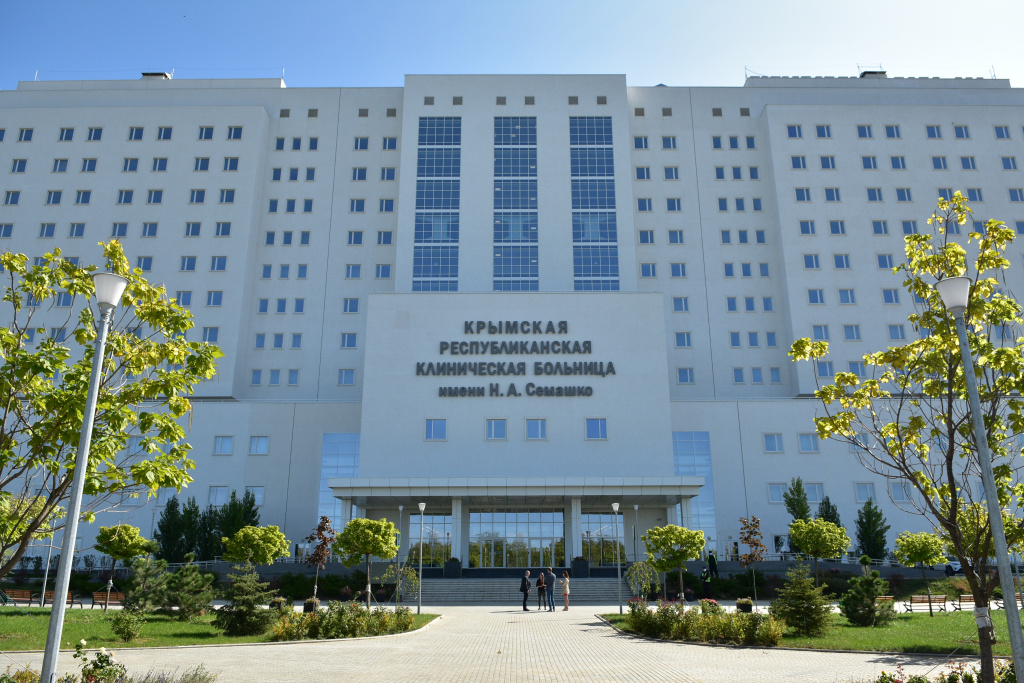
The Republic of Crimea’s Multidisciplinary Medical Centre, The Semashko Clinical Hospital, stands as one of Russia’s most advanced medical facilities. The construction of the clinic near Simferopol began in September 2017. The hospital includes therapeutic-diagnostic and pathological anatomical buildings, a food unit, an oxygen-gasification station, a boiler plant, and checkpoints.
In 2020, the 734-bed centre admitted its first patients. Shortly after opening, a high-tech surgical procedure was performed there. Last year, a minimally invasive aortic valve replacement surgery was performed at the cardio-surgical department for the first time in the republic. The heart valve was replaced through a seven-centimetre incision. This method preserves the integrity of the chest and facilitates recovery.
Water Sports Palace
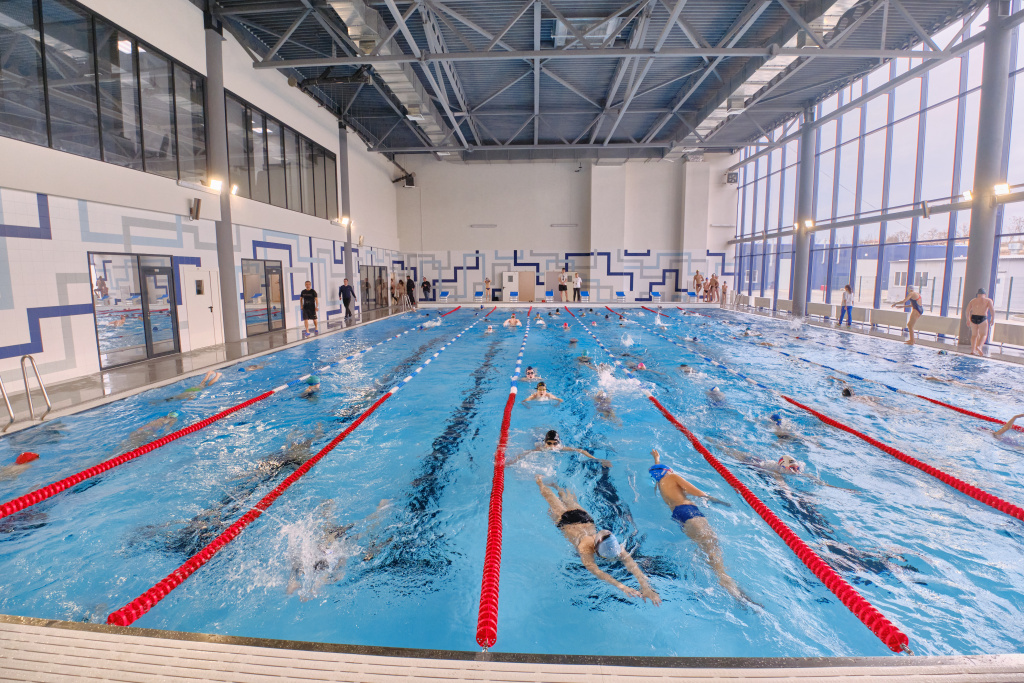
Last year, residents of the republic saw a new facility open on their main holiday, Crimean Spring Day. On March 17, 2023, the Water Sports Palace, with a total area of over 18,000 square metres, one of the largest such facilities in the Southern Federal District, opened in Simferopol.
The sport palace has three pools: a sports swimming pool for national and international competitions, a recreational pool for adults, and a children’s pool.
The Water Sports Palace is equipped to host high-level competitions and complies with WADA requirements, including the doping control facility.
Swallow’s Nest and other heritage
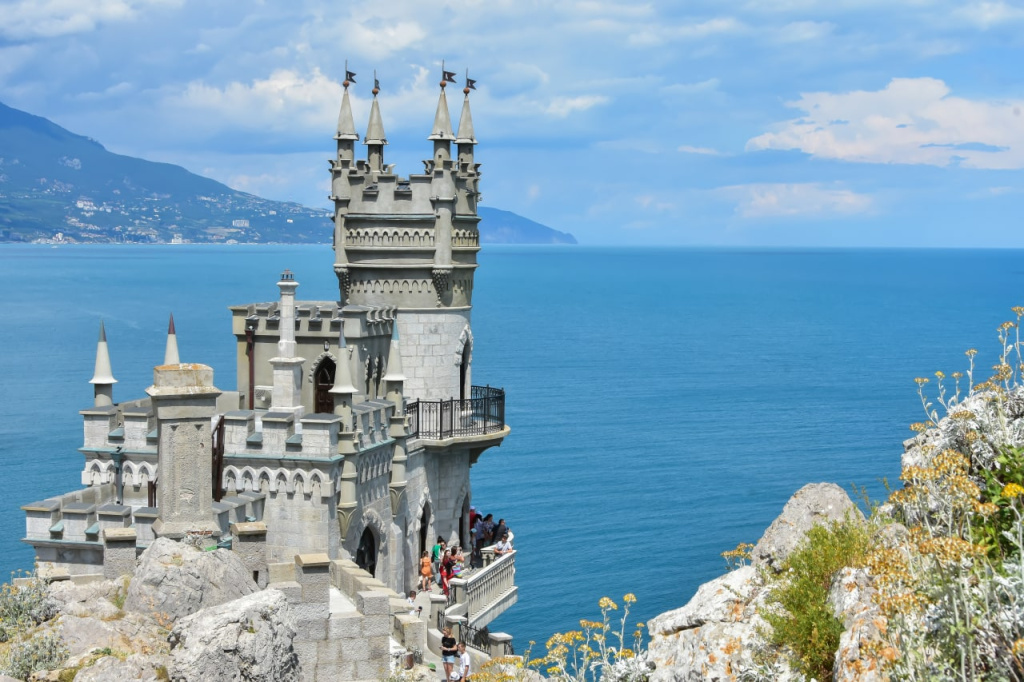
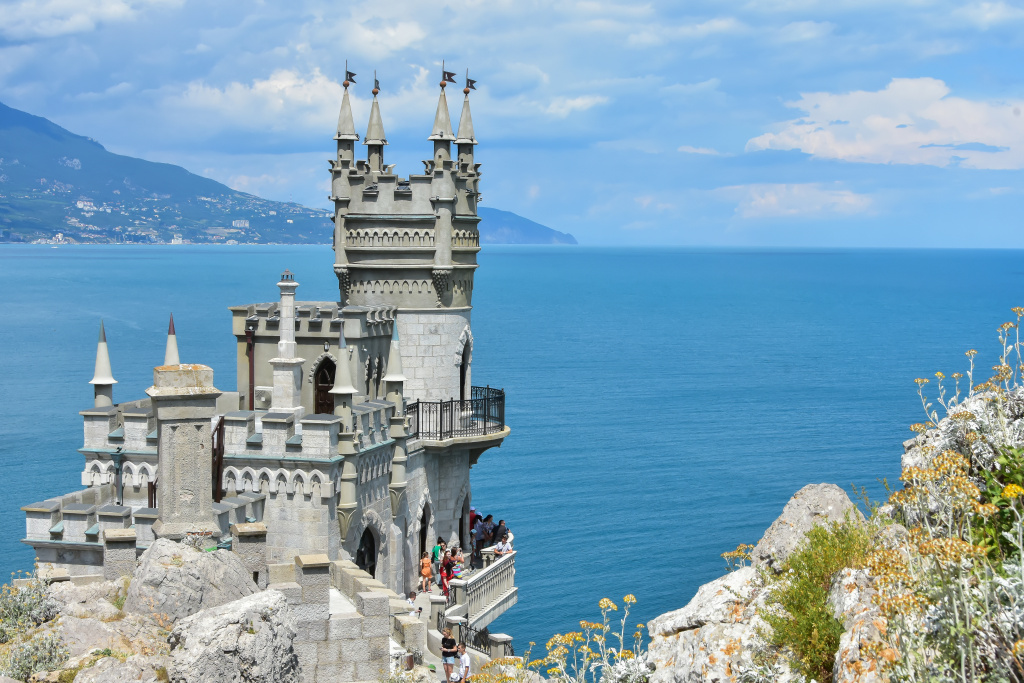
Over the past 10 years, 161 cultural sites in Russian Crimea have been given a new lease on life, with the Swallow’s Nest Castle being the most iconic among them. This federal cultural heritage site has long been the crown jewel of the peninsula. The image of the recognisable architectural monument features on the 100-rouble banknote dedicated to Crimea’s reunification with Russia.
The palace is styled after medieval German castles and sits on a 40-metre cliff at Cape Ai-Todor. It was built to the order of Baron von Steingel by talented architect Alexander Sherwood, the son of the architect of the Historical Museum building on Red Square in Moscow. Since 2011, this historical and architectural monument remained in an advanced state of disrepair, and its functions as a museum were limited.
In November 2020, the Swallow’s Nest received a new lease on life. Renovators reinforced the rocky foundation, the supporting wall, and the balcony slabs, restored the façade and recreated decorative elements, as well as the interior decor, including a fireplace with a family coat of arms.
The Grand Mithridates Stairs in Kerch, the Noble Assembly, the Karaite Kenesa, Dintser’s Mansion in Simferopol, the Aivazovsky Feodosiya Art Gallery, and many other sites opened to the public following an extensive repair and renovation effort. Renovation is ongoing for the Khan’s Palace and the Vorontsov Palace (Bakhchisarai and Alupka), the Simferopol Art Museum, and others.
Orthodox Church and Cathedral Mosque
The construction of the Cathedral Mosque in Simferopol is, without exaggeration, a historic event that Crimean Muslims had been anticipating for many years. The construction plans were conceived during the Ukrainian period, but disputes and squabbles over the plot of land for the construction of the mosque hindered progress.
The construction was completed last year. The dome of the mosque stands at 28 metres, and each of its four minarets is 50 metres high. The mosque, with a total area of 1,369 square metres, can accommodate up to 4,000 worshippers.
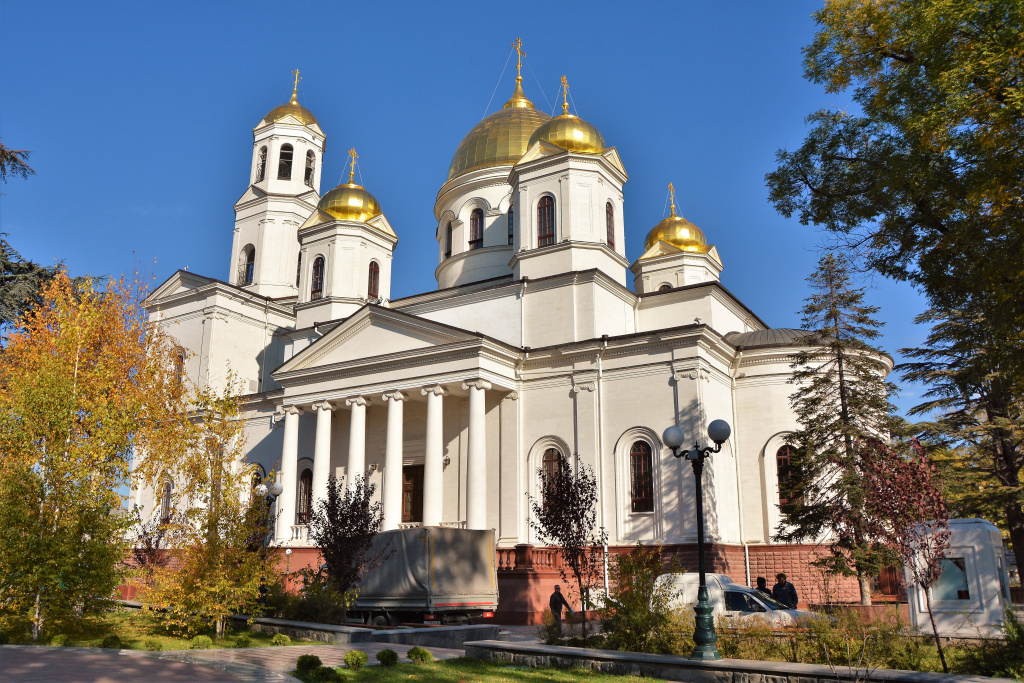
Symbolically, the St. Alexander Nevsky Cathedral. with a total area of 2,050 square metres, was under restoration at the same time. Its construction began in 2014 with the President of Russia’s sponsorship. Historically, the cathedral was built in central Simferopol in 1829 and was blown up a hundred years later in 1930.
New Thermal Power Plants (TPPs) and Combined Heat and Power Plants (CHPPs)
Almost immediately after the peninsula became part of Russia, Crimea’s energy independence came to the forefront. Ukraine supplied about 70 percent of power to that region, but on the night of November 22, 2015, the Ukrainian side initiated an energy blockade.
The construction of TPPs began on the peninsula.
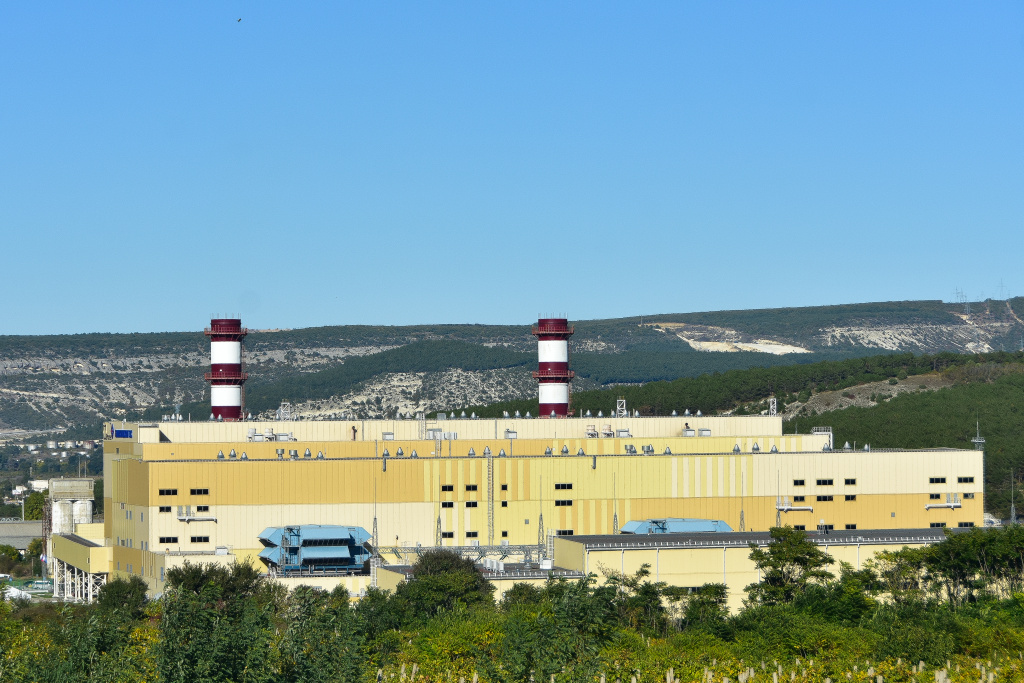
Two combined-cycle power plants with a capacity of 470 MW each – the Tavricheskaya CHPP in the Simferopol District and the Balaklavskaya CHPP in Sevastopol – were built. Both plants were built with water shortage in Crimea in mind, since Ukraine blocked the North Crimean Canal, thus imposing a water blockade as well.
In 2018, the first units of the Tavricheskaya TPP and Balaklavskaya TPP were commissioned.
Shortly thereafter, the upgraded Saki CHPP reached full capacity and began supplying electricity to the peninsula’s power grid. It now serves as a primary source of energy in western Crimea and the backbone of heat supply for the city of Saki.
Renovated waterfronts
The newly built waterfronts are a special source of pride for the republic. A huge number of them have been built over the past decade, and each one is unique.
The 2.7-kilometre waterfront along the Salt Lake in Saki is decorated with six theme-based fountains and 47 drinking fountains. The area also hosts nine playgrounds and an unusual chessboard-shaped photo area. Recreation areas and decorative islands have been built. The water in one of them appears pink due to pink gravel at the bottom of the pool, and another one features blue water.
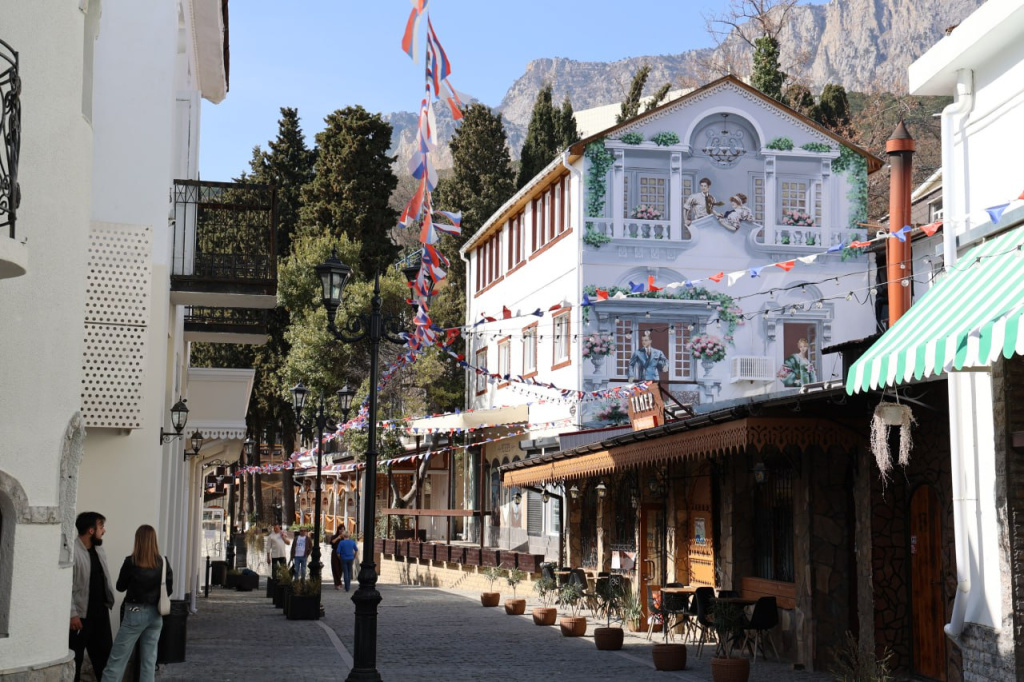
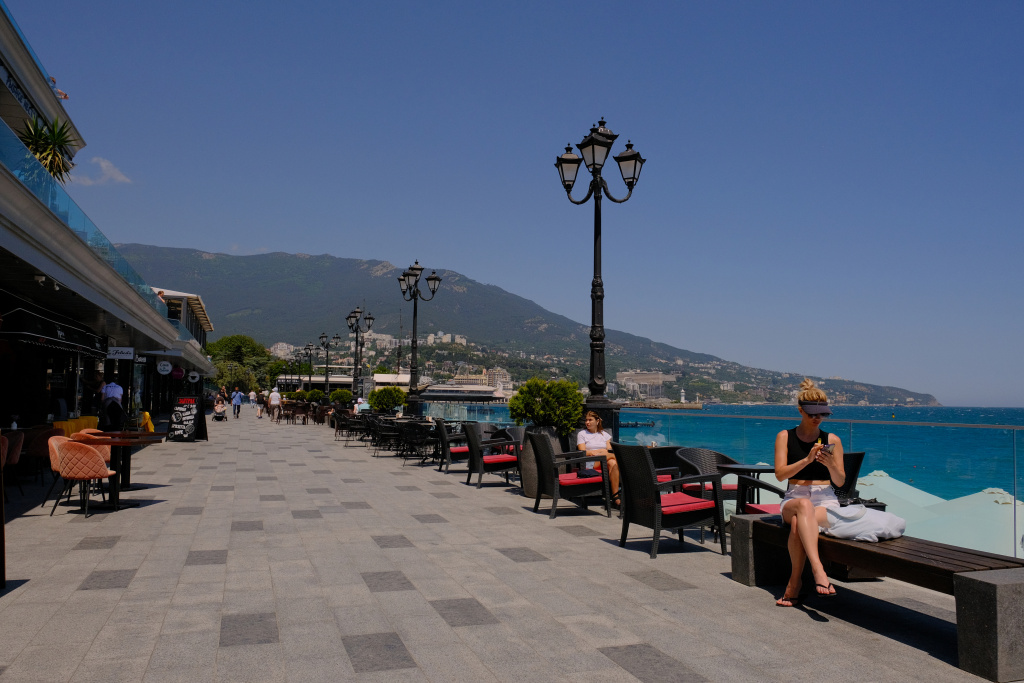
The newly built waterfront off the Primorsky Beach in Yalta saw a retaining wall reinforced, modern video surveillance and lighting systems installed, and an accessible environment for disabled people created.
The landscaped waterfront in the Professor’s Corner in Alushta is 3.5 km long. Designers from countries such as Greece, Mexico, and Cuba, took part in this work. A bike trail has been built for cycling enthusiasts.
Among numerous other waterfronts, Uglovoye in the Bakhchisarai District, Nikolayevka in the Simferopol District, and Shchyolkino now offer spectacular and multifunctional recreation areas.
Tavrida Art Cluster
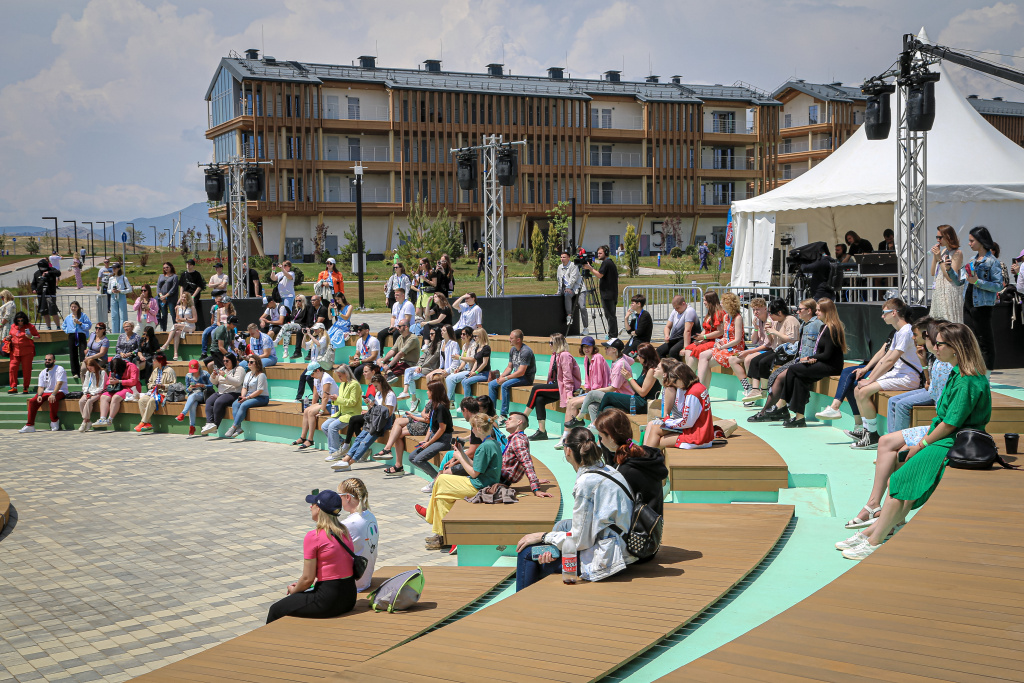
The Tavrida Art Cluster is a platform of opportunities for young people wishing to realise their potential in the creative industries, culture, and art.
Tavrida’s history began in 2015, when it was granted the status of a national youth educational forum. Over the years, the project has become a single system combining educational art schools, the Tavrida.ART festival, an art park, a casting platform, and a creative industry university. At the initiative of the Russian President, since 2020, Tavrida has been hosting the national forum “Russia - the Land of Opportunity,” which brings together over 5,000 participants.
More than 60,000 young people from all over the country have participated in Tavrida projects and events.
The list of Tavrida projects, contests, and events is endless. The Russian entertainment industry stars perform here, while exhibitions of famous artists and gala concerts with soloists from the Bolshoi, Mariinsky, and Mikhailovsky theatres are held here as well.
Aivazovsky International Airport
Following Crimea’s reunification with Russia, the Simferopol Airport received a boost for expansion. In 2014, passenger traffic increased to 2.8 million people, thus exceeding the previous year’s figure by 130 percent. In 2015, the airport served over 5 million passengers.
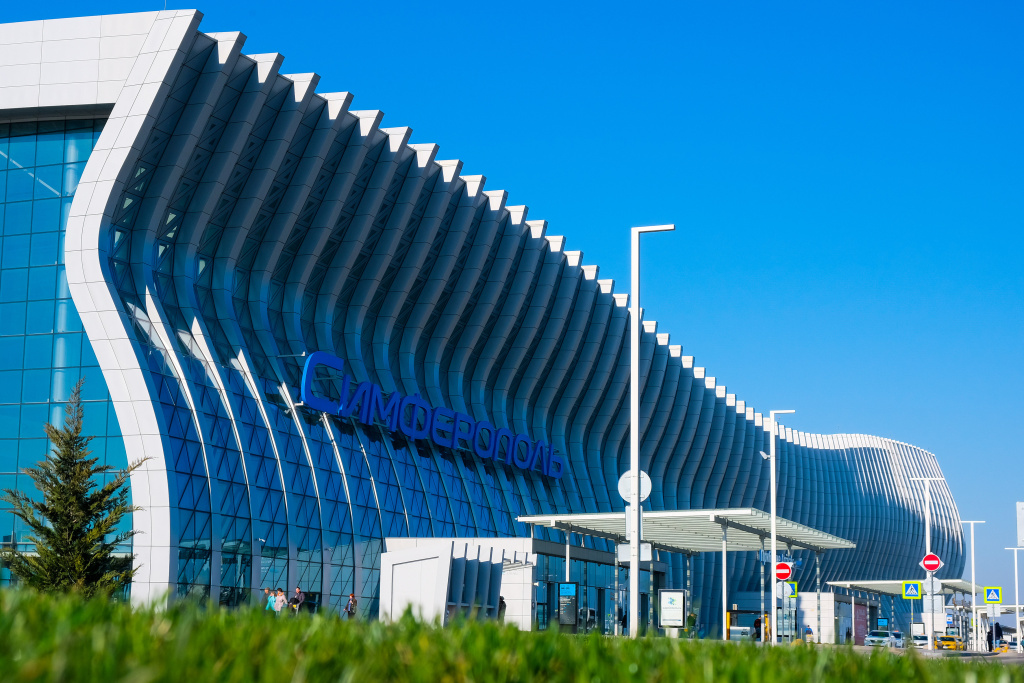
Despite significant expansion of the terminal space, the old infrastructure struggled to accommodate the passenger flow, and a decision was made to build a modern airport complex. Just 22 months later, an ultramodern terminal featuring unique architectural solutions was built from the ground up, welcoming its first passengers on April 16, 2018.
The architectural concept of the new terminal was inspired by the sea, and the project was named Crimean Wave. The terminal is designed to serve 6.5 million passengers per year, with an option to increase the capacity to 11 million passengers per year.
Despite the fact that the Aivazovsky Simferopol International Airport is temporarily closed due to the special military operation, it remains an object of pride for the residents of Crimea and is ready to resume operations at any time. We are confident that this moment will come soon.
President of Russia Vladimir Putin:
“Over the last years, hundreds of important facilities in various areas have been created and put into operation, including support facilities, hubs necessary for the development of the entire transport infrastructure of the peninsula. I mean the Simferopol airport, modern Tavrida Motorway and, of course, the Crimean Bridge.
Today, the road network is actively developing, the utilities infrastructure is improving, housing construction is speeding up, and sports facilities, schools and kindergartens are opening under the state programme.”
Head of Crimea Sergei Aksyonov:
Over the past ten years, Crimea has seen many large-scale projects implemented and hundreds of new infrastructure facilities built, including the Crimean Bridge, the Aivazovsky Simferopol International Airport, and the Tavrida Motorway. All sectors of the economy and the social sphere continue to be upgraded.
All of that became possible thanks to the constant support provided by the President and the Government of the Russian Federation, the help of the Russian regions, and the selfless work of the people of Crimea.
Much has been accomplished, but there remains much more to be done. We are united by a common goal which is to move forward and to ensure the prosperity of our great country and our small homeland. We will overcome all obstacles and achieve all our objectives. Victory will be ours!
Text: Irina Gulivataya
Photo: by Crimean Bridge Information Centre, Rosavtodor Federal Road Agency, VAD press service, Tavrida Art Cluster press servise, Krymskaya Gazeta newspaper`s archive, IC Groupe press service