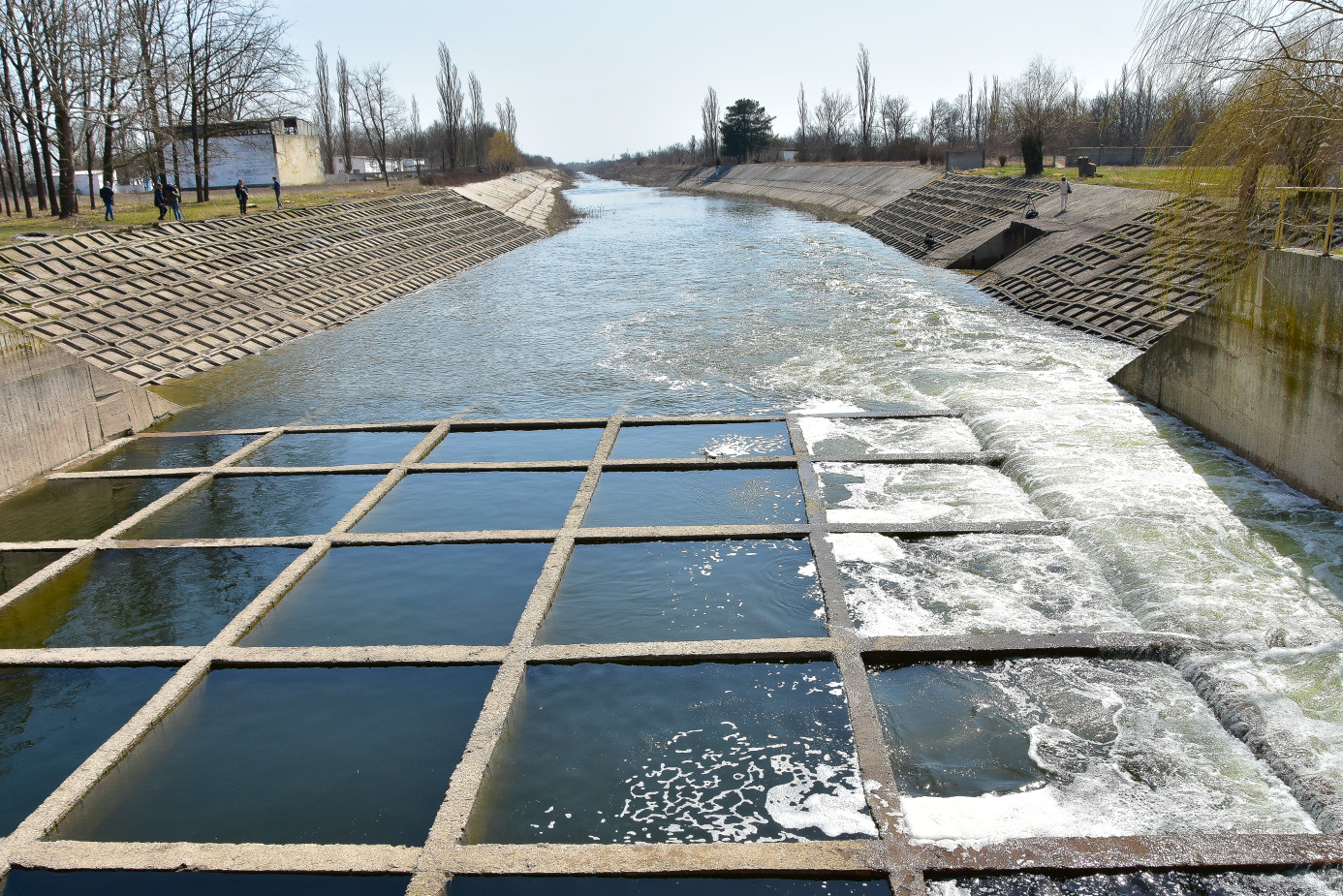
Crimea had no access to water from the Dnieper for almost eight years. Thanks to the soldiers serving in the special military operation, the water supply has been restored. The North Crimean Channel is opening up new prospects for the peninsula’s agricultural industry.
River revolution
Thanks to the opening of the North Crimean Channel in April 2022, it became possible to plant rice for the first time in eight years on an area of 712.2 hectares. High-quality seeds will make it possible to expand the area of rice cultivation six times next year and eventually reach the past level of 14,000 hectares.
Rice is not the only priority crop in these new conditions. Thanks to the resumed water supply, cultivation of other wet crops such as soy and corn will expand, as well as vegetables. In addition, Crimea’s soil and climate help produce quality seeds for sugar beets, another agricultural priority for Russia. Crimea grew sugar beets even during extreme droughts and now the cultivation area can also be increased.
Overall, access to the Dnieper has helped to double the irrigated areas on the peninsula, to 10,900 hectares of farmland as of late September. Around 87 million cubic metres of water have been used for irrigation.
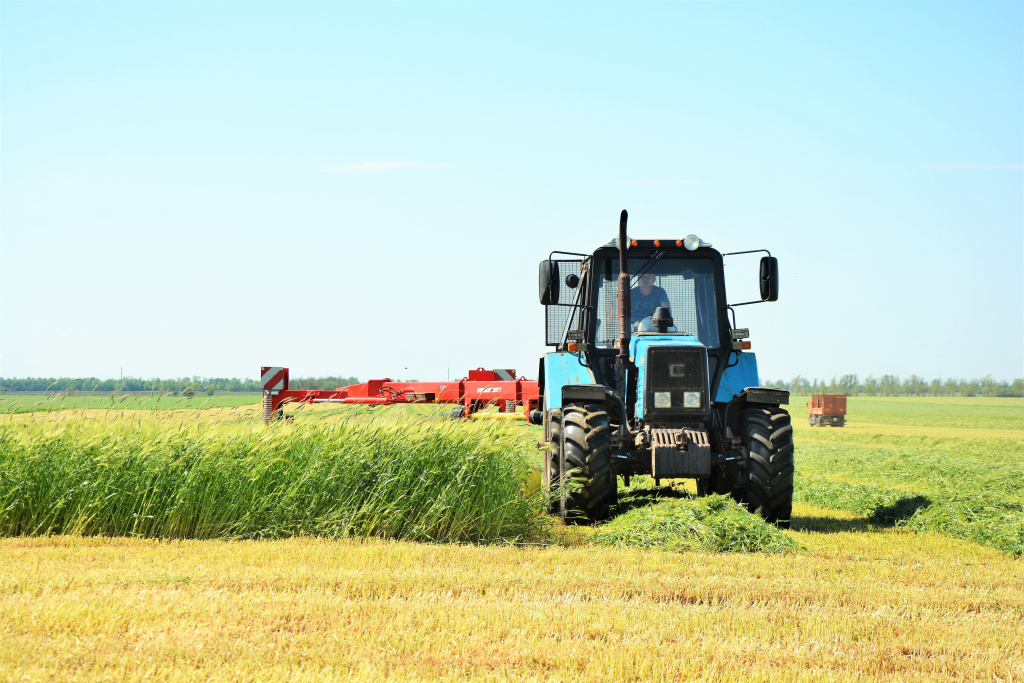
Water from the Dnieper will support effective crop rotation in the fields, increasing the area used for feed crops that have been in such high demand for years. Growing corn, soy and pulse crops will subsequently drive the development of livestock farming, boosting the livestock population and output.
Vladislav Maslyanik, Chairman of Crimea’s State Committee on Water Supply, notes that the North Crimean Channel has replenished the water reservoirs of the peninsula to 93 million cubic metres. Water from the Dnieper is supplied to the eastern areas of Crimea and flows into the Feodosia Reservoir, as well as the Stantsionnoye (Kerch), Samarlinskoye (Shchyolkino), Leninskoye and Frontovoye water reservoirs. In the past, Feodosia and the Kerch Peninsula received water from the Novogrigoryevsky, Prostornensky and Nezhinsky water supply inlets.
Use it or lose it
According to Krymmeliovodkhoz, which oversees the water supply, agricultural companies in Crimea have submitted requests for water withdrawal from the North Crimean Channel to irrigate 44,172 hectares in 2023.
Renewal continues
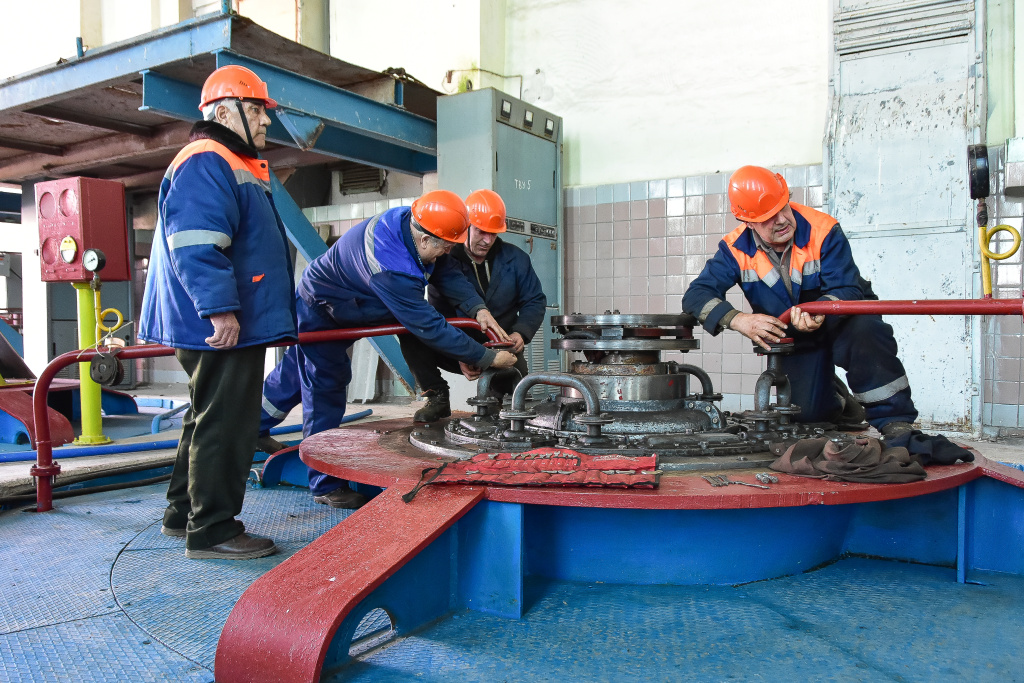
The relatively small size of the irrigation area this year is due to the fact that Crimea’s irrigation system is not only dilapidated but also uses outdated technology. Subsequently, the Crimean Ministry of Agriculture and the State Committee on Water Supply and Irrigation conducted an audit, concluding that in the short term, thanks to resumed irrigation, the amount of land with reclamation potential may exceed 124,000 hectares.
“According to a preliminary assessment, restoring irrigation on the territory of 120,000 hectares of Crimean farmland will cost over 14.3 billion roubles,” Crimean Minister of Agriculture Andrei Savchuk commented.
There are also plans to rebuild intra-farm supply networks and to purchase more than 451 sprinkler systems.
Numbers
29.5 mln cubic metres of water from the North Crimean Channel will be delivered to rice fields in 2023.
Rolling in it
Without access to the Dnieper, a long-term source of irrigation water for Crimea, farmers built accumulation ponds. The reservoirs helped agricultural producers to operate and have enough water reserves from wells even during droughts. The facilities were partially funded by the government. As the Northern Crimean Channel has become accessible again, the need for accumulation ponds at farms is no longer so acute.
The State Programme for Effective Reclamation of Farmland and Developing Irrigation Facilities in the Russian Federation (State Programme No. 731) took effect in early 2022. The approach to subsidising agricultural producers and their irrigation needs has changed, along with the type and cost of related operations. Therefore, the current programme does not subsidise accumulation ponds.
As water from the channel is now available, less water resources will be withdrawn from wells, which is particularly important for the areas of Crimea prone to soil salination. Access to the Dnieper also opens up the opportunity to use wide-coverage sprinkler equipment.
Every drop counts
While the water from the Dnieper was blocked from the North Crimean Channel, Crimean agricultural producers actively explored energy-saving irrigation technology, such as trickle irrigation that was introduced throughout the peninsula. The water was sourced from rivers, water reservoirs and underground sources. The resources were sufficient to water 21,500 hectares of farmland in 2021.
Numbers
132 agricultural companies in Crimea used water from the channel as of October 2022.
130,000 hectares were irrigated in Crimea before 2014 when the Ukrainian nationalists built a dam blocking the North Crimean Channel.
38 farms in Crimea grew rice. Eight resumed operation this year.
Text: Boris Sedenko